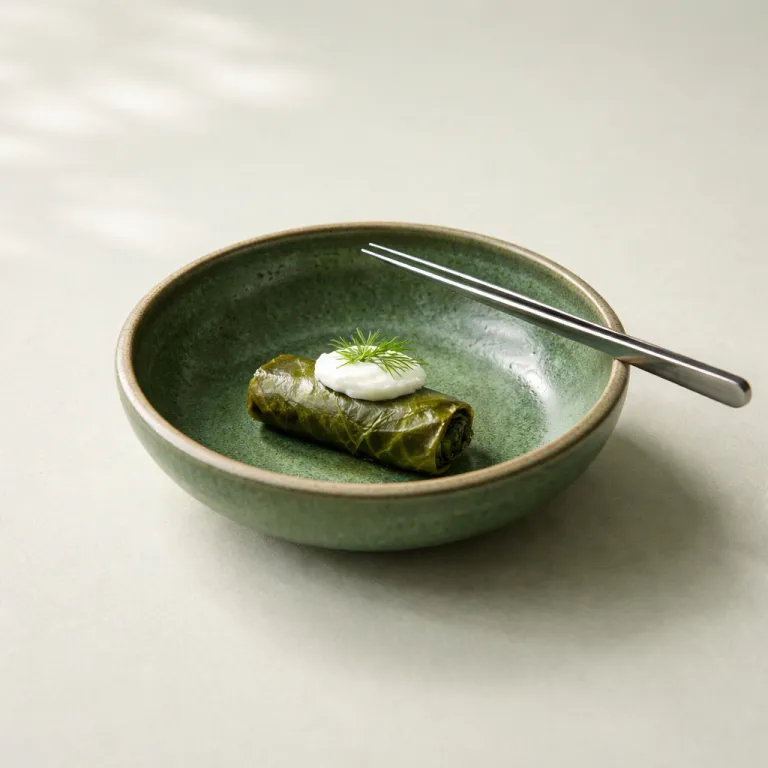
Gastro taverna Greece: where the village table meets the chef’s mind
A new kind of table is quietly reshaping luxury travel in Greece. In this emerging world of gastro taverna Greece, a trained chef listens closely to the land, the sea and the old village recipes. The result feels intimate yet precise, like a conversation between Greek culture and contemporary technique.
Unlike a fine dining restaurant that borrows taverna aesthetics, a true gastro taverna in Greece keeps the soul of the classic restaurant while refining the food and pacing of the dining. You still share grilled fish, slow cooked beef and bowls of greens, but the olive oil is single estate, the sea salt is hand harvested and the tomato is chosen for its exact ripeness. The atmosphere remains relaxed and untheatrical, with the menu written around local ingredients rather than a chef’s ego.
Think of it as the best Greek village table, edited and elevated without losing its warmth. The wine list leans into small wineries, often with a compact but sharp selection that pairs naturally with egg lemon sauces, tomato sauce braises and oil lemon dressings. For luxury travelers choosing hotels in Greece, the gastro taverna Greece movement offers a dining experience that feels both rooted and quietly luxurious, especially when compared with anonymous international restaurants inside many upscale properties.
How a gastro taverna differs from fine dining with taverna branding
The line between a gastro taverna and a fine dining restaurant with rustic décor can look thin from a distance. Up close, the difference lies in how the kitchen treats Greek gastronomy and how the service team frames the dining experience. A gastro taverna keeps the taverna’s generosity and informality while applying discipline learned in serious kitchens in Athens, London or Copenhagen.
Menus stay short, seasonal and flexible, often changing weekly as local ingredients shift across Greece. You might see slow cooked beef shoulder with tomato sauce and fried potatoes next to grilled greens dressed in olive oil and lemon sauce, all meant for sharing rather than plated as individual tasting dishes. The best restaurants in this category resist the urge to over explain, letting the food and the wine speak more loudly than the concept.
Fine dining rooms with taverna branding usually chase complexity, while a genuine gastro taverna pursues clarity. The chef might finish a fish with only sea salt, oil lemon and a few wild herbs, trusting the produce instead of technique for drama. For travelers booking premium hotels, this distinction matters because it shapes whether your dining return to the property feels like a performance or like coming back to a favourite Greek restaurant that simply cooks the best version of what locals already love.
From Athens to Santorini: kitchens leading the gastro taverna movement
Athens is where gastro taverna Greece first started to feel like a movement rather than a one off experiment. In neighbourhoods just beyond the tourist grid, places such as Raw Bata by Chronis Damalas and Manari by Aris Vezenes treat Greek food with the seriousness once reserved for tasting menu temples. Here, grilled fish, slow cooked lamb and bowls of greens sit beside raw preparations and precise desserts like olive oil ice cream, all anchored in Greek culture.
On Santorini, Rizes Gastro Taverna in Fira shows how this idea translates to an island shaped by volcanic soil and sunset tourism. At Rizes Gastro, the menu reads like a love letter to local ingredients, from tomatoes and capers to beef raised on nearby islands and cheeses from small dairies. The atmosphere is unhurried and slow, with a wine list that favours Cycladic producers and a wine cellar that quietly champions lesser known Greek varieties.
Across Greece, roughly fifty such restaurants now operate, with an average annual growth rate of fifteen percent according to the Greek Culinary Association. That number is small compared with the thousands of traditional restaurants, but it signals a clear shift in how chefs think about Greek gastronomy. For hotel guests, it means that planning one night at a gastro taverna in Athens and another at a classic seaside taverna can give a fuller picture of what Greek dining really means today.
The ingredient chain: small producers, tiny wineries and hotel partnerships
The most compelling gastro tavernas in Greece start not with a concept but with a supply chain. Chefs build menus around farmers who can deliver specific greens, tomatoes, beef cuts and cheeses at the right moment, often visiting fields and dairies themselves. This is where the slow, almost obsessive attention to olive oil, sea salt and seasonal vegetables becomes a quiet form of luxury.
Wine follows the same pattern, with compact wine cellars focused on small Greek producers rather than global trophy labels. A thoughtful wine list in a gastro taverna might feature a Santorini Assyrtiko beside a Peloponnese red, each chosen to match grilled fish, egg lemon stews or tomato sauce braises. Ice cream, bread and even fried potatoes are often made in house, using local ingredients and oils that reflect the surrounding landscape.
Hotels are increasingly partnering with these kitchens instead of building generic in house restaurants. Some luxury properties host a gastro taverna on site or just outside the gate, allowing guests to move from pool to table without sacrificing authenticity. For independent travelers using platforms such as MyGreeceStay to choose where to sleep, checking whether a property collaborates with a serious gastro taverna or with a place like Rizes Gastro can be as important as comparing room sizes or spa menus.
How to eat: planning your own gastro taverna itinerary in Greece
For a solo explorer, the smartest way to approach gastro taverna Greece is to balance it with at least one classic taverna on every trip. One night, book a table at a modern gastro taverna in Athens or on your chosen island, then the next night seek out a simple seaside restaurant where the fish is grilled over charcoal and served with only oil lemon and sea salt. This rhythm keeps your dining experience grounded while still giving space for the more refined side of Greek gastronomy.
When you plan a luxury stay, look at the hotel’s relationship with nearby restaurants as closely as you study room photos. A property that recommends specific gastro tavernas, lists local ingredients on its breakfast menu and curates a small but sharp wine list is usually serious about food. If you are planning a wider island itinerary, guides such as the MyGreeceStay article on planning an unforgettable Mykonos honeymoon in refined Greek luxury can help you pair high end stays with equally thoughtful dining.
On the plate, aim for variety rather than volume and share where possible. Order at least one slow cooked dish, one grilled plate, something with egg lemon or tomato sauce and a simple salad of greens dressed only with olive oil and lemon sauce. Then pay attention to how you feel after the meal, because the real test of the best restaurants in this movement is whether you wake up ready for another dining return to the Greek table the very next night.
Key statistics on gastro tavernas in Greece
- Number of gastro tavernas in Greece: 50 establishments, according to the Greek Culinary Association.
- Average annual growth rate of gastro tavernas: 15 percent, reflecting strong interest in modern Greek gastronomy.
Essential questions about gastro tavernas in Greece
What defines a gastro taverna in Greece ?
What defines a gastro taverna? A modern Greek tavern blending traditional cuisine with contemporary techniques. In practice, that means familiar Greek dishes such as grilled fish, slow cooked meats and seasonal greens, prepared with refined methods and plated with more precision. The atmosphere stays relaxed and informal, but the sourcing, wine list and execution reach a level usually associated with fine dining.
Where can I find notable gastro tavernas in Greece ?
Where can I find notable gastro tavernas in Greece? In cities like Athens and Santorini. In Athens, neighbourhoods beyond the main tourist routes now host several serious addresses, including Raw Bata and Manari, which both treat Greek food with contemporary discipline. On Santorini, Rizes Gastro Taverna in Fira offers a strong example of the style, pairing local ingredients with a focused wine cellar and a relaxed, slow paced dining experience.
Do gastro tavernas in Greece use local ingredients ?
Do gastro tavernas use local ingredients? Yes, they prioritize local, seasonal ingredients. Chefs typically work closely with farmers, fishers and small dairies to secure specific greens, tomatoes, cheeses and cuts of beef at their peak. This focus on provenance shapes everything from the olive oil on the table to the wines in the cellar, and it is one of the main reasons these restaurants appeal to luxury travelers seeking authenticity.
FAQ
How should I choose between a gastro taverna and a classic taverna ?
Use gastro tavernas when you want a more refined take on Greek dishes, with tighter menus, stronger wine lists and a focus on local ingredients. Choose a classic taverna when you crave simplicity, generous portions and a more casual, often louder atmosphere. On a well planned trip, include both styles so you experience the full range of Greek dining.
Do I need to reserve gastro tavernas in advance in Greece ?
Reservations are strongly recommended, especially in Athens and on popular islands during peak months. Many gastro tavernas are small, with limited seating and carefully paced service, so walk ins can be difficult. Booking a few days ahead through your hotel concierge or directly with the restaurant is usually enough.
Are gastro tavernas suitable for solo travelers staying in luxury hotels ?
They work particularly well for solo travelers, because bar seating and small sharing plates make it easy to sample several dishes. Staff in these restaurants tend to be engaged and knowledgeable, so you often receive more guidance on the menu and wine list. Pairing a gastro taverna with a high quality hotel stay gives you both comfort and a strong sense of place.
How much should I expect to spend at a gastro taverna in Greece ?
Prices vary by city and island, but a full meal with wine usually costs more than a classic taverna and less than a formal fine dining restaurant. You are paying for better sourcing, a curated wine cellar and more attentive service rather than for elaborate theatrics. Checking sample menus online before booking helps align expectations with your budget.
Can gastro tavernas accommodate dietary restrictions ?
Most serious gastro tavernas can adapt dishes for common dietary needs if informed in advance. Because menus are seasonal and built around fresh produce, it is often possible to adjust sauces, sides or cooking methods. Mention your requirements when reserving and again on arrival, and the kitchen will usually respond with thoughtful alternatives.
References
- Greek Culinary Association
- Greek National Tourism Organisation
- Hellenic Chamber of Hotels