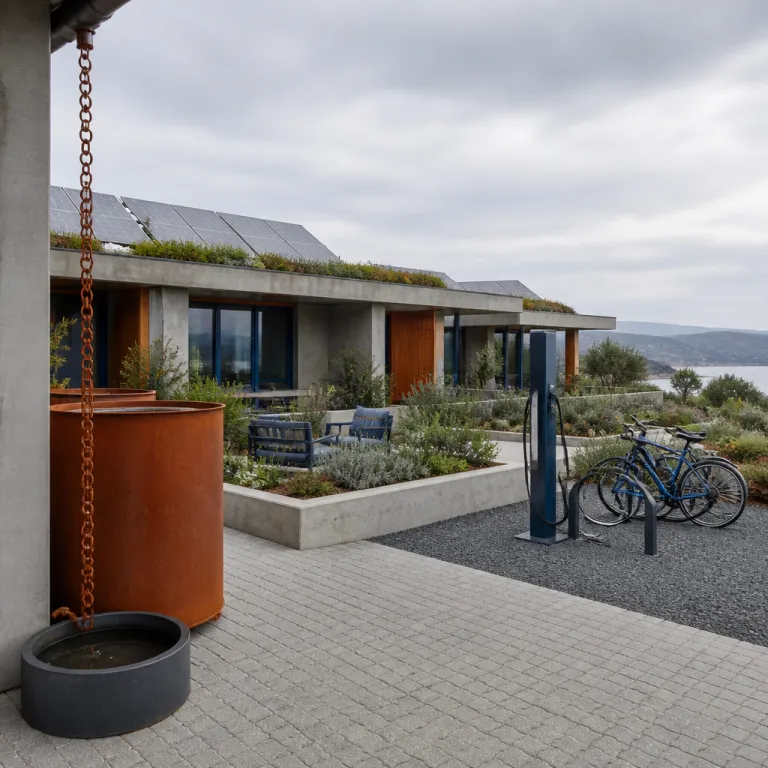
Section 1 – Why sustainable hotels in Greece now matter more than the view
Choosing sustainable hotels in Greece is no longer a niche preference. Luxury travelers who once focused only on infinity pools now weigh eco credentials alongside caldera views and private villas. A family planning a summer holiday in Greece increasingly wants a hotel that feels both indulgent and genuinely eco friendly.
The shift is structural rather than cosmetic, as the national tourism framework now limits beds and tightens coastal rules, making sustainability policy a hard requirement rather than a marketing flourish. That means the best eco hotels and luxury resort properties must show how they manage water, energy and waste, not just talk about being friendly to the sea breeze and the olive groves. When you read a hotel website today, you should expect real data on energy use, not vague promises about a greener travel experience.
Across hotels nationwide, owners have discovered that sustainability sells, which is why almost every resort, farm stay and city hotel now sprinkles the word eco across its privacy policy and brochure. The result is a wave of greenwashing that makes it harder for a family friendly audience to find perfect options that are truly sustainable rather than simply painted green. This is where third party certifications such as Green Key, EU Ecolabel and the Global Sustainable Tourism Council (GSTC) step in, using audits and environmental impact assessments to separate marketing language from measurable action.
Section 2 – How to verify if a Greek hotel is genuinely sustainable
The most reliable way to assess sustainable hotels in Greece is to start with certification. Green Key, EU Ecolabel and GSTC backed schemes use third party audits, self assessment questionnaires and regular reporting to check whether a hotel or resort actually meets environmental and social standards. As one official explanation from Green Key puts it, “What is Green Key certification? An international eco-label for tourism establishments meeting sustainability criteria.”
When you evaluate eco hotels in Greece, look beyond the logo and read the details on water, energy and waste. A serious hotel will publish the percentage of electricity from solar or wind, explain its on site water treatment and show how it reduces single use plastics across rooms, restaurants and pool bars. Properties highlighted in national sustainability awards, such as those analysed in the piece on sustainability as the benchmark in Greek hotel awards, usually share this kind of data openly.
Families planning a holiday in Crete or Kos should also check how a hotel supports its local village economy and traditional culture. A truly sustainable hotel will employ local staff, source food from a nearby organic farm and offer excursions that respect rather than overwhelm the surrounding cottages, beaches and archaeological sites. Before you skip content on the sustainability page, pause to see whether the hotel explains its partnerships with local NGOs, government agencies or tourism boards, because these alliances often signal a deeper, long term commitment.
Section 3 – Reading between the lines: spotting greenwashing in Greek luxury hotels
Greenwashing is rampant across luxury hotels in Greece, especially in destinations like Santorini and Mykonos where demand is high and scrutiny is lower. You will see phrases such as eco friendly, planet friendly or Greece sustainable vision without any numbers, timelines or independent verification. When a hotel or resort claims to be an eco lodge or sustainable paradise but still hands out plastic water bottles at breakfast, you have your first red flag.
Another warning sign appears when a hotel talks about an organic farm or traditional village ties but never names the producers, distances or quantities involved. A property that truly integrates an organic farm into its operations will usually explain how much of its vegetables, olive oil or wine comes from that farm and how guests can visit it as part of their travel experience. If you read a long sustainability statement and still cannot tell whether the hotel has on site water treatment, renewable energy or a waste separation system, you are likely facing marketing rather than substance.
For a deeper lens on this issue, the analysis of why sustainability in Greek hospitality is about more than solar panels is essential reading. It shows how a truly sustainable hotel in Greece weaves social impact, cultural preservation and guest education into every stay, from family friendly activities to late night conversations at the taverna. When a property in Mykonos, Crete or Kos positions itself as an eco lodge yet offers no such engagement, you can safely question the depth of its commitment.
Section 4 – Island by island: where sustainability in Greek hotels feels real
Some destinations in Greece have moved beyond slogans and turned sustainability into a defining part of their hospitality identity. In Crete, Milia Mountain Retreat operates as a largely off grid eco village, with restored stone cottages, spring water and a restaurant supplied by nearby farms and forests. Families who stay there experience a different rhythm of holiday life, one where the luxury is silence, shade and food that has travelled only a few kilometres.
On the Peloponnese coast, Costa Navarino has become a reference point for sustainable hotels in Greece at the five star level. The resort combines large scale luxury villas and suites with a serious environmental program that includes reforestation, wetland protection and an extensive organic farm that supplies its restaurants. For a family friendly stay, this means children can move from golf lessons to olive harvesting workshops, understanding how the landscape shapes their travel experience.
In the Cyclades, Rooster Antiparos offers a different interpretation of eco hotels, blending low rise villas, a working organic farm and wellness programs that respect the island’s fragile ecosystem. Over on Kos, OKU Kos has reimagined the beach resort as a laid back eco lodge style property, with earthy materials, local sourcing and a design that feels more village than mega complex. These examples show that sustainable hotels and resorts can range from rustic cottages in the mountains to polished coastal retreats, as long as the environmental and social commitments run deeper than the décor.
Section 5 – Family friendly sustainability: what parents should look for
For a premium family, the ideal sustainable hotel in Greece balances comfort, safety and meaningful engagement with the environment. Parents want spacious villas or interconnecting rooms, calm pools and reliable service, but they also want their children to learn something about the sea, the land and the people who live there year round. The best family friendly eco hotels turn sustainability into a shared adventure rather than a lecture.
Look for properties that run environmental education programs, such as beach clean ups, farm visits or simple biodiversity walks around the resort gardens. At Costa Navarino, for example, children can join activities linked to the organic farm and nearby wetlands, while in Crete some eco lodge style retreats invite families to help with olive picking or bread baking in traditional stone ovens. These experiences create memories that outlast any kids club, and they also anchor the holiday in the real life of the region.
Families travelling to Mykonos or Santorini should not assume that sustainability and style are mutually exclusive. Several high end hotels across Greece now combine sleek design with serious eco credentials, from solar panels and grey water systems to menus built around local farms and fisheries. When you read a property’s privacy policy and sustainability page, check whether it mentions child focused initiatives, because that often reveals how deeply the hotel has integrated its values into daily operations.
Section 6 – Practical booking checklist for sustainable hotels in Greece
When you are ready to book, approach sustainable hotels in Greece with the same rigour you would apply to any major investment. Start by checking for Green Key, EU Ecolabel or GSTC aligned certifications, then read how the hotel explains its water, energy and waste systems in plain language. If the information feels thin, send a short email asking about renewable energy percentages, on site water treatment and single use plastic policies.
Next, look at how the hotel connects to its surrounding village, town or island landscape. Does it support local farms, fisheries and artisans, or does it operate as a sealed resort bubble with imported goods and generic entertainment? A property that highlights its relationships with an organic farm, nearby cottages or a traditional taverna is usually more serious about long term sustainability than one that only talks about spa treatments and sunset cocktails.
Finally, consider your own travel habits and how they interact with the hotel’s efforts. Choosing a pet friendly eco lodge in Crete or a low key resort in Kos that you can reach by ferry rather than multiple flights can significantly reduce the footprint of your holiday. For more context on how Greek hospitality is evolving beyond postcard clichés, the in depth feature on how Greek hospitality is growing up offers a useful lens on where hotels across the country are heading next.
Case studies: three Greek properties redefining eco luxury
Ekies All Senses Resort in Halkidiki has become a quiet benchmark for eco hotels that still feel effortlessly stylish. The property sits among pine trees and shallow waters, using natural materials, low rise architecture and a strong focus on local food to keep its footprint light. Guests can move from the beach to the organic farm inspired kitchen, experiencing a version of Greece sustainable hospitality that feels relaxed rather than doctrinaire.
On Kos, OKU Kos offers a different template, blending a village like layout with earthy suites and villas that open onto shared pools and gardens. The design borrows from traditional island architecture, while the operations lean on local suppliers and careful water management to suit the dry Aegean climate. For a family friendly holiday, the atmosphere feels calm and grown up, yet older children and teenagers can still engage with the island through guided excursions and low impact water sports.
Rooster Antiparos, set on a wild stretch of Antiparos, pushes the eco lodge idea into a high end wellness retreat. Here, villas are scattered across the landscape, the organic farm supplies much of the kitchen and the spa programs align with the rhythms of the day rather than a rigid timetable. These three hotels show how sustainable hotels in Greece can interpret eco principles in very different ways, from forest fringed bays to windswept Cycladic hillsides.
Beyond the buzzwords: what “eco” should mean in practice
The word eco has been stretched so far in hospitality marketing that it often means very little. In the context of sustainable hotels in Greece, eco should signal measurable reductions in energy use, water consumption and waste, alongside tangible benefits for local communities. A hotel that simply reuses towels but still trucks in bottled water and imports most of its food does not meet that standard.
True eco friendly practice in a Greek hotel starts with infrastructure, from solar panels and efficient air conditioning to grey water systems and on site composting. It continues with procurement policies that prioritise nearby farms, fisheries and artisans, reducing transport emissions while keeping money in the local economy. When you read about an eco lodge or resort, look for these operational details rather than generic claims about loving nature.
Equally important is how a hotel communicates its progress and setbacks. Properties that publish annual sustainability reports, share data on their websites and invite guest feedback show a level of transparency that builds trust. In contrast, hotels that hide behind slogans or bury their environmental information deep in the privacy policy are often less committed than their marketing suggests.
Accessibility, digital journeys and the “skip content” problem
As luxury travelers research sustainable hotels in Greece online, the digital experience can either clarify or confuse. Many hotel websites still prioritise glossy imagery over clear navigation, making it hard to find sustainability information without scrolling through endless lifestyle shots. The presence of a visible “skip content” or skip to main content link is a small but telling sign that a hotel takes accessibility and user experience seriously.
From an eco perspective, a well structured website also reduces the time and energy guests spend hunting for basic details about water, energy and waste policies. When you can quickly read about a hotel’s eco hotels certifications, organic farm partnerships or village projects, you are more likely to make an informed choice. Families planning a holiday appreciate this clarity, especially when juggling school calendars, flight options and the needs of different age groups.
Digital transparency extends to how hotels handle data and communication. A clear privacy policy that explains how guest information is stored and used may seem unrelated to sustainability, yet it reflects the same culture of responsibility and accountability. In a sector where trust is everything, the way a hotel behaves online often mirrors how it treats its staff, neighbours and environment offline.
Traditional character, modern systems: rethinking Greek cottages and villas
Many travelers associate sustainable hotels in Greece with rustic cottages and whitewashed villas perched above the sea. That image is not entirely wrong, but the reality is more nuanced, because traditional architecture can either support or undermine eco goals depending on how it is restored and operated. A stone house in a mountain village, for example, may offer natural insulation yet still rely on inefficient heating if not upgraded thoughtfully.
When you book self contained villas or cottages, ask about insulation, heating and cooling systems, as well as water management. Some of the most sustainable options in Crete, Kos and the Peloponnese combine thick stone walls and shaded courtyards with modern heat pumps, solar water heaters and rainwater collection. This blend of traditional design and contemporary engineering allows families to enjoy authentic settings without excessive energy use.
In island destinations like Mykonos and Santorini, where demand for villas is intense, the most responsible properties limit their footprint by reusing existing structures rather than building new ones on untouched land. They also integrate into the local village fabric instead of forming isolated compounds, encouraging guests to walk to nearby shops and tavernas. For a premium family, this means a richer travel experience and a lighter impact on the landscapes that drew them to Greece in the first place.
Key figures: sustainability and certification in Greek hotels
- There are around 670 Green Key establishments in Greece, a figure that shows how widely audited sustainability standards have spread across hotels, resorts and other accommodations in the country (source: Green Key Greece, 2024, based on programme statistics published on the official Green Key website).
- Across Europe, approximately 500 hotels hold the EU Ecolabel for accommodations, indicating that only a fraction of properties meet this official environmental excellence benchmark (source: European Commission, 2024, as reported in the EU Ecolabel tourism services overview).
- Worldwide, about 2,000 hotels are certified under GSTC related schemes, placing Greek properties within a global movement toward independently verified sustainable tourism (source: Global Sustainable Tourism Council, 2024, drawing on figures shared in GSTC certification summaries).
- These certifications rely on tools such as sustainability management systems, environmental impact assessments and staff training programs, which help hotels reduce resource use while maintaining guest comfort.
- The growth in eco conscious travelers and the integration of green technologies in hotels across Greece have contributed to enhanced reputations and increased bookings for properties that can demonstrate real progress.
FAQ about sustainable hotels in Greece
How can I verify a hotel’s sustainability claims in Greece?
The most reliable method is to check for recognised certifications such as Green Key, EU Ecolabel or GSTC aligned labels, then read how the hotel explains its water, energy and waste policies. Certified properties undergo third party audits, use self assessment questionnaires and report regularly on their performance. You can also email the hotel directly to ask for specific data on renewable energy use, plastic reduction and local sourcing.
Why should I choose a sustainable hotel for my Greek holiday?
Choosing a sustainable hotel in Greece helps minimise your environmental impact while supporting local communities and cultural heritage. These properties often provide richer experiences, from farm visits and nature walks to authentic food sourced from nearby producers. As one official answer summarises it, “Why choose a sustainable hotel? To minimize environmental impact and support responsible tourism.”
What is the difference between an eco hotel and a regular resort?
An eco hotel in Greece integrates environmental and social responsibility into its core operations, not just its marketing. This usually means renewable energy, efficient water systems, waste reduction, local employment and community partnerships, all verified through certifications or transparent reporting. A regular resort may adopt a few green practices, such as towel reuse, but without the same depth, measurement or accountability.
Are sustainable hotels in Greece suitable for families with children?
Many sustainable hotels in Greece are explicitly family friendly, offering spacious rooms or villas, safe pools and activities that engage children with nature and local culture. Properties with organic farm links, environmental education programs or gentle outdoor adventures are particularly rewarding for families. When booking, look for mentions of kids clubs, guided activities and flexible dining options that suit different ages.
How can I make my stay in a Greek eco lodge more sustainable?
You can align your behaviour with the hotel’s efforts by conserving water and energy, avoiding single use plastics and choosing low impact activities such as walking, cycling or sailing instead of motorised excursions. Supporting local businesses for meals, crafts and experiences further strengthens the positive impact of your trip. Travelling outside peak periods and staying longer in one place also reduces overall pressure on popular destinations in Greece.