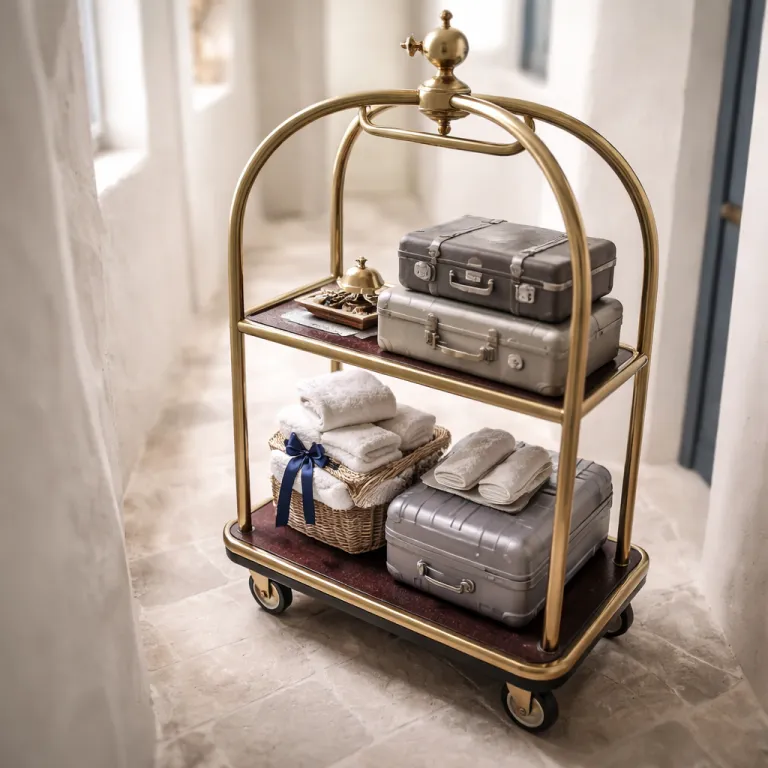
Greek hospitality evolution beyond the blue dome
Greek hospitality evolution begins long before the first infinity pool in Santorini. In ancient Greece, the code of xenia framed hospitality as a sacred contract between host and guest, and that lived truth still shapes how the country welcomes travelers today. When you book a luxury hotel in Greece now, you are stepping into a long term story where ancient Greece, modern tourism and a new generation Greek mindset quietly meet.
Homer’s Odyssey records multiple instances of xenia, and classical scholars commonly highlight roughly a dozen major scenes where hosts welcome strangers with food, shelter and gifts, which underlines how central hospitality was to the narrative. Zeus Xenios, the protector of guests, enforced generosity and empathy as religious duty, and that shaped sensitivity still echoes in the way Greek hoteliers talk about service and human contact. Contemporary hospitality in Greece may trade in private pools and curated design, yet the emotional core remains the same: offer nourishment, shelter and a sense of safety to strangers who cross the sea.
For luxury travelers, the key shift in Greek hospitality is that the postcard is no longer enough. The so called Cycladic tax — paying more for less attentive service in a famous island destination — is being challenged by properties that put human centered service and locality culture ahead of spectacle. When you compare hotels in Crete, the Peloponnese or lesser known corners of the country with some overexposed islands, you start to see where the best value and the most authentic experience now sit.
This evolution is not abstract; it is visible in how design hotels across Greece now talk about rooted place and design locality. Instead of generic white cubes, you find stone houses in Pelion, tower houses in Mani and vineyard estates in the Peloponnese that treat architecture as a form of lived truth. The modern Greek hospitality landscape is moving from surface level views to deeper engagement with landscape, regional food and human stories that define each destination.
For couples planning a romantic stay, this means rethinking what “best” really means. A caldera view suite in Oia still offers a spectacular view, yet a restored farmhouse in Crete with thoughtful Greek cooking and attentive hosts may deliver a richer emotional experience. The new luxury in Greece is less about being seen at the right hotel and more about feeling quietly understood by people who treat hospitality as a continuation of xenia rather than a performance.
From Cycladic tax to crafted intelligence
The Cycladic tax emerged when demand for a certain Greek island image far outpaced the supply of genuine hospitality. Travelers paid premium rates for rooms where the view did all the work while service, food and design lagged behind, and Greek hoteliers could rely on the brand power of the destination alone. The current phase of Greek hospitality evolution is now eroding that model as more guests compare experiences across the country instead of chasing a single famous postcode.
Properties like Kinsterna in the Peloponnese, Euphoria Retreat in Mystras, Amanzoe near Porto Heli and Perivolas in Santorini represent a different chapter for hospitality in Greece. They invest in design that feels rooted in place, with architecture and interiors shaped with sensitivity to local stone, light and Mediterranean vegetation, and they treat wellness, Greek cuisine and service as integrated parts of one human centered narrative. These hotels show that Greek hospitality can stand on even ground with international brands such as Four Seasons or JW Marriott while still feeling unmistakably Greek in food, rituals and emotional tone.
At Kinsterna, the estate model of hospitality turns a former Byzantine mansion into a small agricultural universe. Guests taste Greek dishes made from the property’s own olive oil and wine, and the experience of walking through terraced gardens at dusk can feel more luxurious than any oversized lobby, because it connects you to the country as a living place. One couple described how a staff member quietly left figs from her family’s tree outside their door with a handwritten note about harvest traditions, a small gesture that captured the blend of refinement and village warmth. This is the contemporary Greek approach in practice: less spectacle, more flavors, more contact with the land and more generosity and empathy in how staff share stories of the region.
Euphoria Retreat takes another path, blending monastic architecture with contemporary design hotel aesthetics. Here, design locality means domed ceilings that echo ancient Greece and Byzantine chapels, while the spa program draws on both Hellenic philosophy and modern science to create an emotional journey rather than a checklist of treatments. Couples who choose this kind of hotel are voting for long term investment in craft, not just a quick tourism trend.
Perivolas and Amanzoe, though very different in scale, both show how Greek food, Greek dishes and Greek cuisine can be elevated without losing their human warmth. You might eat grilled fish with simple Mediterranean flavors on a terrace that overlooks the sea, yet the way the host explains the catch, the locality culture of the fishermen and the seasonality of the dishes turns dinner into a form of Greece talks between guest and place. When travelers reward this kind of intelligence with their bookings, they help push the Cycladic tax era further into the past and support a pricing model based on substance rather than hype.
Models of mature Greek hospitality across the country
To understand where Greek hospitality evolution is heading, look beyond the islands that dominate social media. The Pelion stone house model, the Peloponnese estate model and the Mani tower house model each express a different facet of hospitality in Greece that is both traditional and forward looking. These forms of design hotels show how architecture, food and service can align around a single rooted place rather than chasing generic luxury.
In Pelion, stone built guesthouses cling to forested slopes above the sea, and their design locality reflects centuries of mountain life. Rooms are often compact yet layered with textiles, fireplaces and windows that frame a shifting view of the Pagasetic Gulf, and the best hosts treat breakfast as a daily celebration of Greek food with homemade pies, local honey and seasonal fruit. Here, Greek hospitality feels human because the same family that checks you in may also bake your bread, and that lived truth cannot be replicated by a distant management company.
The Peloponnese estate model, seen at places like Kinsterna or smaller agritourism properties, turns the hotel into a working landscape. Guests move between vineyards, olive groves and low stone walls, tasting Greek dishes that mirror what grows around them, and the Mediterranean flavors on the plate are inseparable from the view of the fields outside. This is where Greek cuisine and tourism intersect in a way that respects long term ecological realities rather than treating the country as a stage set.
Further south, the Mani tower house model offers a starker, more dramatic expression of Greek hospitality. Tall stone towers once built for defense now host travelers in rooms with thick walls, narrow windows and a direct line of sight to the sea, and the design speaks of a locality culture shaped by scarcity and resilience. When a host in Mani serves you simple Greek dishes of tomatoes, olives and bread, the emotional weight of that food comes from centuries of survival in a harsh yet beautiful landscape.
Across these regions, a new generation Greek cohort of hoteliers is emerging, often educated abroad yet deeply attached to their home villages. Figures such as Kalia Konstantinidou within the Empiria Group illustrate how leadership can blend international standards with a human centered approach that honours family traditions and local workers. Their projects show that the next stage of Greek hospitality is not about copying global trends but about articulating a uniquely Greek balance between design, human contact and generosity and empathy.
How travelers can shape the next chapter
Every booking you make in Greece is a vote in the ongoing hospitality evolution of the country. When travelers choose hotels only for the most photographed view, they reinforce the Cycladic tax and encourage properties to prioritise marketing over substance, but when they reward places that invest in locality culture, design locality and thoughtful Greek cuisine, they help shift the market. The power sits quietly with couples who are willing to look one island, one peninsula or one mountain further than the obvious destination.
On a practical level, this means reading beyond the first page of search results and asking specific questions before you reserve. How does the hotel source its Greek food, what role does Greek dishes tradition play in the menu, and does the property employ people from the immediate area or rely on transient seasonal staff who have little connection to the country? These details reveal whether hospitality in Greece is being treated as a long term relationship with a rooted place or as a short term extraction of value from tourism flows.
Look for signs of human centered thinking in both design and operations. A hotel that offers flexible breakfast times for late arriving flights, remembers your preferred Mediterranean flavors after the first dinner and suggests a quiet village taverna instead of only the trendiest restaurant is practicing generosity and empathy in small, concrete ways. These gestures echo the ancient Greece principle of xenia, where hosts offered food, shelter and gifts not as performance but as duty to Zeus Xenios and to the human in front of them.
Pay attention also to how properties talk about Greek hospitality in their own materials. Do they reference ancient Greece only as a decorative theme, or do they engage with concepts like xenia, shaped sensitivity to guests’ emotional needs and the lived truth of local communities who share their land with visitors? When a hotel speaks honestly about seasonality, water use and the limits of its capacity, it signals a long term commitment to both travelers and the environment.
Finally, remember that the evolution of Greek hospitality is not just a trend but a negotiation between past and future. By choosing hotels in Crete, the Peloponnese, Pelion, Mani or quieter Cycladic islands that align design, food and service with the character of their destination, you help ensure that the best of Greek cuisine, Greek food culture and human warmth survives the pressures of global tourism. In doing so, you become part of a wider Greece talks conversation about how a small Mediterranean country can welcome the world without losing the generosity and empathy that made its hospitality legendary in the first place.
Key figures in the story of Greek hospitality
- Homer’s Odyssey contains multiple well documented instances of xenia, the ancient Greek code of hospitality, highlighting how central host guest relationships were to classical narratives and social norms (standard literary commentaries on the Odyssey typically identify a series of major hospitality episodes across the poem).
Questions travelers often ask about Greek hospitality
What is xenia in the context of Greek hospitality evolution ?
Xenia is the ancient Greek concept of hospitality toward strangers, where hosts were expected to offer food, shelter and gifts to guests under the protection of Zeus Xenios. In the context of modern Greek hospitality evolution, xenia functions as a cultural memory that still informs how many Greek families and hoteliers think about welcoming travelers into their homes, villages and hotels. When you experience a host insisting you try another plate of Greek dishes or refusing payment for a small favor, you are seeing xenia translated into contemporary generosity and empathy.
How did ancient practices influence modern hotels in Greece ?
Ancient practices of hospitality in Greece treated the guest as a temporary member of the household, and that human centered approach survives in many family run hotels and in the ethos of newer design hotels that emphasise personal connection. While modern properties use contemporary design, wellness concepts and refined Greek cuisine, the underlying shaped sensitivity to guests’ emotional comfort, safety and dignity comes directly from traditions that date back to ancient Greece. This continuity helps explain why even very luxurious hotels in the country often feel less formal and more intimate than their counterparts in other Mediterranean destinations.
How can travelers support more authentic Greek hospitality when booking ?
Travelers can support authentic Greek hospitality evolution by choosing hotels that show a clear link to their locality culture, whether through architecture, staffing or food sourcing. Asking about Greek food provenance, community engagement and environmental practices before booking sends a signal that you value long term relationships over short term spectacle, and it encourages Greek hoteliers to invest in rooted place rather than generic luxury. Over time, these choices help strengthen a model of hospitality in Greece where design, cuisine and human warmth work together to create experiences that honour both guests and the country itself.