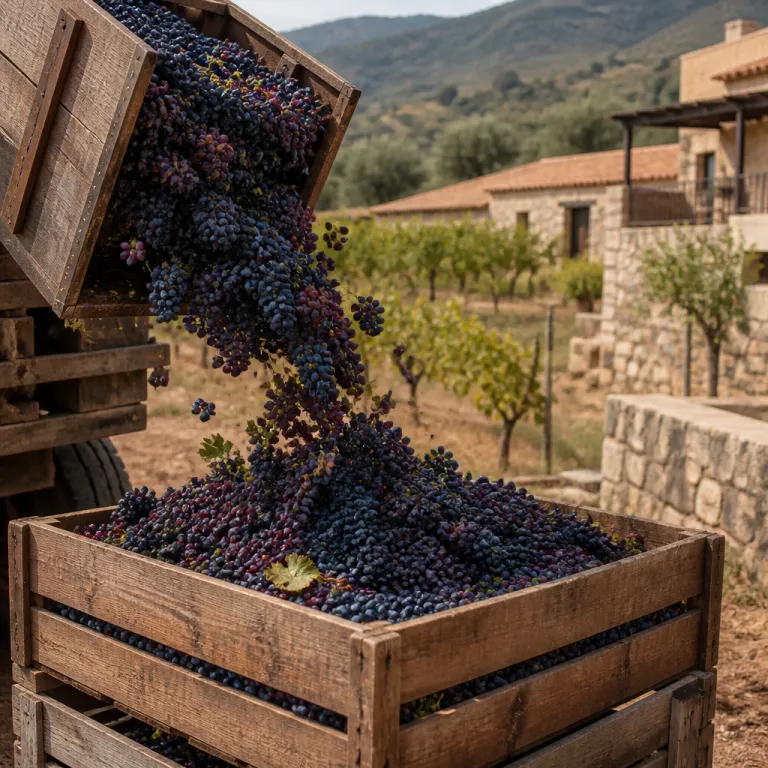
Greek wine regions for executives extending a stay in Greece
Assyrtiko from Santorini may dominate conversations about Greek wine regions, yet the most rewarding glass for many travelers now comes from the mainland. For a business leisure traveler already in Greece for meetings in Athens or Thessaloniki, adding two or three nights in key wine regions turns a routine trip into a quietly luxurious escape shaped by vineyards, serious cellars, and discreet service. Think of it as a different kind of upgrade, where Greek wines, polished hospitality, and unhurried tastings replace another airport lounge and one more red eye flight.
Naoussa, Nemea, and the wider Peloponnese region form a triangle that captures the depth of Greek wine today, from structured red wines to aromatic white wines and refined sweet wines. These wine regions are compact enough for efficient itineraries, yet varied enough that each area feels distinct, with different grapes, elevations, and microclimates shaping the bottles Greece now exports to serious lists worldwide. For executives used to Napa or Bordeaux, the contrast between northern Greece, central Greece, and the sunlit Peloponnese vineyards is striking, especially when you taste Greek wine beside local dishes in hotels that understand both privacy and precision.
Luxury and premium hotels in these regions of Greece are no longer an afterthought, and many now work hand in glove with a nearby winery or several wineries. You can land in Thessaloniki, reach Naoussa’s Xinomavro vineyards in about one hour, then continue south to Nemea and the Peloponnese without sacrificing comfort, Wi-Fi, or meeting capabilities. With tasting fees usually between €10 and €25 per person, often waived with purchase according to current winery visitor pages and regional tourism boards, the value proposition for high end travelers who appreciate a serious red wine or white wine is unusually strong.
Naoussa and northern Greece: Xinomavro country with serious cellars
Naoussa sits in northern Greece at the foothills of Mount Vermio, where vineyards climb from around 150 metres to higher slopes that stay cooler than the coastal islands. This is the homeland of Xinomavro, a red grape often compared to Nebbiolo for its tannins, acidity, and ability to age into hauntingly complex red wines. Local producer material for visitors typically defines Xinomavro as a red grape variety native to Naoussa, known for its complex wines, and the description matches what you find in the glass.
Here, the Naoussa Winemakers association coordinates producers across roughly 500 hectares of Naoussa PDO vineyards, a figure echoed in recent summaries from the National Interprofessional Organization of Vine and Wine of Greece (EDOAO). The focus is almost entirely on this single grape variety. You will taste Greek wines that range from pale, almost translucent red wine with wild strawberry notes to darker, oak aged wines Greece specialists now cellar alongside Barolo, all from the same grape but different parcels and elevations. The combination of ancient vineyard sites, modern winery equipment, and winemakers trained in Burgundy or Piedmont means that each winery visit feels both rooted and forward looking, especially when they pour older vintages beside current releases.
For accommodation, look for small luxury properties in the Naoussa region that understand oenophile needs, from late checkouts after long tastings to restaurant teams fluent in Greek wine pairings. Many hotels can arrange guided tours or self drive routes using detailed maps and local contacts, ensuring you move efficiently between vineyards without rushing your tastings. If you are planning a corporate retreat or even an intimate celebration, Naoussa combines serious wine region credentials with a calm, green landscape that feels worlds away from the busier Greek islands, while still pairing beautifully with a later escape to an elegant island celebration package referenced in guides to Greece wedding packages for an elegant island celebration.
Nemea and the Peloponnese: Agiorgitiko power, sea level breezes, and refined stays
Drive about one and a half hours from Athens into central Greece and you reach Nemea, the most important red wine appellation in the Peloponnese and one of the most significant Greek wine regions overall. The Nemea Winemakers association oversees around 2 500 hectares of vineyards focused on Agiorgitiko, a red grape that can produce everything from bright, juicy reds for lunch to structured, cellar worthy red wines. Regional producer associations and EDOAO publications summarise the variety clearly in their own words as a red grape from Nemea producing versatile wines, and local tastings quickly confirm that range.
Many of the best wineries here sit between 250 and 800 metres above sea level, where cooler nights help grapes retain acidity and aromatics, especially in parcels closer to the Peloponnese coast. This region also produces increasingly polished white wines and even sweet wines from late harvested grapes, giving you a full spectrum of Greek wines to taste in a single day. Because the Peloponnese accounts for roughly one third of Greece wine production, a share reflected in data from the Greek Wine Federation and EDOAO, you will also encounter international grape varieties such as Cabernet Sauvignon alongside indigenous grape varieties, often blended to create modern, food friendly wines Greece now exports widely.
For high end travelers, Nemea and the surrounding Peloponnese region offer some of the most compelling hotel and winery pairings in Greece, from vineyard view suites to coastal resorts within an easy drive of serious cellars. Properties aligned with Peloponnese Winemakers often curate private tastings, vertical flights, and chef led dinners where each course highlights a different grape variety, including Cabernet Sauvignon, Agiorgitiko, and local white wine styles. If you are planning to split time between the mainland and the Aegean islands, it is easy to pair a Peloponnese wine route with a later stay in western Crete, where resorts such as those featured in analyses of the biggest new luxury bets in western Crete offer a different expression of Greek islands hospitality.
From Mantinia to the coast: Peloponnese white wines, Domaine Skouras, and island extensions
Beyond Nemea, a Mantinia to coast loop in the Peloponnese region shows another side of Greek wine regions, one defined by high plateau vineyards and aromatic white wines. Mantinia, sitting at higher elevations in central Peloponnese, is the stronghold of Moschofilero, a pink skinned grape that yields intensely floral white wine with bright acidity and modest alcohol, ideal for long lunches. Many travelers pair a morning tasting here with an afternoon drive toward the sea, where coastal vineyards closer to sea level produce richer white wines and some of the most characterful sweet wines in Greece.
Along this loop, Domaine Skouras stands out as a reference point for both red and white wines, blending indigenous grape varieties with international grapes such as Cabernet Sauvignon in precise, modern styles. The estate’s range shows how Greek wines can move from crisp, mineral driven whites to structured red wine in a single tasting, all while remaining firmly rooted in the Peloponnese region. For executives used to polished hospitality, the combination of professional tasting rooms, clear explanations of each grape variety, and the option to ship wines Greece wide or internationally makes planning future cellars straightforward.
Many luxury hotels along the Peloponnese coast now build curated wine lists that highlight nearby vineyards, allowing you to continue exploring Greek wine even on days when you stay by the pool. This is where a mainland wine route dovetails beautifully with a later island stay, whether on a quiet island in the Aegean islands chain or on headline destinations such as Santorini. If you are considering a caldera view escape, it is worth reading detailed reports on what luxury Santorini suites actually feel like so you can balance vineyard days on the mainland with the right level of service and privacy on the Greek islands.
Planning your wine route: logistics, tastings, and hotel strategies
Designing an efficient itinerary through these Greek wine regions starts with your arrival airport and your appetite for driving between regions. Thessaloniki works best for Naoussa and northern Greece, while Athens is the natural gateway for Nemea, Mantinia, and the wider Peloponnese region, with good roads linking vineyards and coastal resorts. A three day framework often suggested by local partners is simple yet effective: day one in Naoussa wineries, day two in Nemea vineyards, and day three exploring Peloponnese estates closer to the sea.
Guided tours are ideal if you prefer not to drive after tastings, and many hospitality services now coordinate private drivers who understand both the geography and the rhythm of winery visits. Self drive itineraries suit travelers who enjoy lingering in a particular winery or region, using detailed maps and wine guides provided by Naoussa Winemakers, Nemea Winemakers, or Peloponnese Winemakers. In both cases, booking tastings in advance is essential, especially if you want access to older vintages, limited cuvées, or in depth explanations of grape varieties that go beyond the standard tourist menu.
From a hotel perspective, consider splitting your stay between a vineyard adjacent property and a coastal retreat, so you experience both the inland regions Greece offers and the pull of the islands without constant packing. Many luxury hotels now offer wine focused experiences, from cellar dinners featuring Greek wines and international Cabernet Sauvignon to spa treatments that use grape based products. Spring and autumn are widely regarded as the best times to visit these regions, and official guidance from regional wine bodies and tourism offices confirms this with the clear statement that spring and autumn offer pleasant weather and active vineyards.
How to taste intelligently: beyond Santorini and into serious Greek wines
Approaching tastings in these Greek wine regions with a clear strategy will elevate your experience and help you build a cellar that reflects both place and personal preference. In Naoussa, ask to compare different expressions of Xinomavro across vineyards at varying altitudes, including parcels closer to 150 metres above sea level and higher, so you can feel how structure and aromatics shift. In Nemea and the Peloponnese, request side by side flights of Agiorgitiko and Cabernet Sauvignon, or blends of the two, to understand how international grape varieties interact with local terroir.
Pay attention to how each winery handles oak, extraction, and ageing, especially for red wines that can easily become heavy in a warm region like central Greece or the Peloponnese. Many younger winemakers, often returning from training in Burgundy or Barolo, now favour finesse over sheer power, producing red wine and white wine that pairs gracefully with food rather than overwhelming it. When you encounter sweet wines, particularly from sun dried grapes on the Peloponnese coast or from select vineyards on the islands, taste them with local cheeses or desserts to see how acidity keeps them balanced.
For hotel based tastings, work with the sommelier to build a progression that moves from crisp white wines to structured reds and finally to sweet wines, ideally featuring both mainland and island labels. Ask specifically for wines Greece insiders drink, including lesser known grape varieties from northern Greece and central Greece, not only the famous labels from Santorini or other Greek islands. Over a few days, you will move from a passing familiarity with Greek wine to a grounded understanding of how grapes, regions, and winemakers across Greece shape the most exciting bottles now appearing on serious lists from New York to Tokyo.
FAQ about Greek wine regions and luxury stays
What is Xinomavro?
Xinomavro is widely described by Naoussa producers and Greek wine bodies as a red grape variety native to Naoussa, known for its complex wines. In practical terms, this means a red wine with firm tannins, high acidity, and flavours that can shift from red fruit and tomato to olives and dried herbs as it ages. For travelers, Xinomavro is the key grape variety to explore in northern Greece, especially when paired with slow cooked meats or aged cheeses in local restaurants and hotel dining rooms.
What is Agiorgitiko?
Agiorgitiko appears just as often on visitor materials in Nemea, and regional associations describe it as a red grape variety from Nemea, producing versatile wines. In the glass, Agiorgitiko can be light and juicy for lunchtime drinking or structured and oak aged for more serious cellaring, depending on vineyard altitude and winemaking choices. When you visit Nemea and the wider Peloponnese region, ask each winery to pour both styles so you can decide which expression suits your palate and your home cellar.
When is the best time to visit Naoussa, Nemea, and the Peloponnese?
Official guidance for these Greek wine regions from tourism offices and wine federations states the timing succinctly: spring and autumn offer pleasant weather and active vineyards. In practice, this means milder temperatures, less crowded roads, and a higher chance of seeing work in the vineyards or cellars during your stay. For luxury travelers, these seasons also align well with calmer hotel occupancy patterns, making it easier to secure preferred suites and private tastings.
How many vineyards are there in Naoussa and Nemea?
Naoussa PDO vineyards cover around 500 hectares, according to the Naoussa Wine Producers Association and recent EDOAO overviews, almost entirely focused on Xinomavro. Nemea PDO vineyards extend to roughly 2 500 hectares, based on data from the Nemea Wine Producers Association and Greek Wine Federation summaries, with Agiorgitiko as the dominant grape variety. These figures help explain why Nemea feels larger and more dispersed than Naoussa, and why planning your driving routes and hotel base in advance is essential.
How important is the Peloponnese for overall wine production in Greece?
The Peloponnese region accounts for about 31 percent of Greece’s total wine production, according to figures regularly cited by the Greek Wine Federation and EDOAO. This share reflects not only the scale of vineyards but also the diversity of grape varieties grown, from Agiorgitiko and Moschofilero to Cabernet Sauvignon and other international grapes. For travelers, this concentration of vineyards and wineries means you can taste a wide spectrum of Greek wines within a relatively compact area, especially if you combine Nemea, Mantinia, and coastal estates in a single trip.