Why your next luxury stay in Greece should start in the kitchen
In Greece, the most memorable luxury is often a hand around a wooden spoon. A thoughtfully curated Greek cooking class will shift your focus from white tablecloths to the quiet theatre of a family kitchen, where fresh ingredients arrive still warm from the sun and the sea. For premium family travelers, the right hotel turns Greek food from a side activity into the central thread of the entire stay.
High-end properties across Greece now curate intimate culinary workshops with local hosts, pairing them with private food tours, wine tastings and market walks that feel more like a personal odyssey than a scheduled excursion. This is where a hands-on cooking session becomes a bridge between your airport hotel arrival and the island village where your children learn to knead dough, drizzle olive oil and understand why Greek food tastes so vivid. The best hotels treat each small-group lesson as part of a wider experience, not a one-off class squeezed between pool time and a rushed dinner.
For families used to polished resort buffets, this shift toward hands-on Greek cuisine can be transformative. You will move from passively choosing from menus to actively selecting ingredients, learning recipes Greek grandmothers still cook and tasting the difference that fresh herbs and the Mediterranean diet make. Luxury here is not only the infinity pool; it is the moment your child recognises wild oregano on a hillside and later stirs it into traditional dishes during one of several on-site workshops. When comparing properties, ask concierges how often classes run and whether children can join every step, from shopping to plating.
From market to table: foraging and Greek cooking with local hosts
On Syros, home cook Maria hosts a private Greek cooking class and foraging walk that many luxury concierges quietly recommend to returning guests. The day begins far from any formal cooking school, with foraging baskets in hand as you follow her along stone paths, learning which fresh herbs and wild greens shape everyday Greek cuisine. By the time you reach her family kitchen, your children already understand that the best food stories in Greece start in the fields, not in the dining room.
These intimate experiences sit perfectly alongside a stay in a premium hotel on nearby islands, where the concierge arranges transfers, late check-outs and child-friendly menus that echo the recipes you have just cooked. A hands-on cooking experience like Maria’s often includes a full meal built around your own ingredients, paired with local wine and salads drenched in peppery olive oil from neighbouring groves. For families splitting time between Syros and the Cyclades dining scene, pairing such a class with an evening exploring Naxos’ new-wave tavernas and late-night food scene creates a satisfying contrast between home-style Greek food and chef-driven plates.
Guides such as Manos, a Greek foodie and forager, lead similar tours that combine gentle hiking with impromptu lessons in recipes Greek islanders rely on through the seasons. His walks, typically offered from April to early June and again in late September, show how a single island can offer enough fresh ingredients to sustain a Mediterranean diet rich in flavour and low in fuss, ideal for health-conscious parents. When your children learn to identify capers, fennel and wild thyme, every subsequent cooking class on your trip feels richer, because the ingredients now carry a story they helped write. When booking, ask your hotel to confirm group size, walking distance and whether the guide can adapt the pace for younger children.
Fishing to feast: caiques, coastal hotels and the new Greek food tour
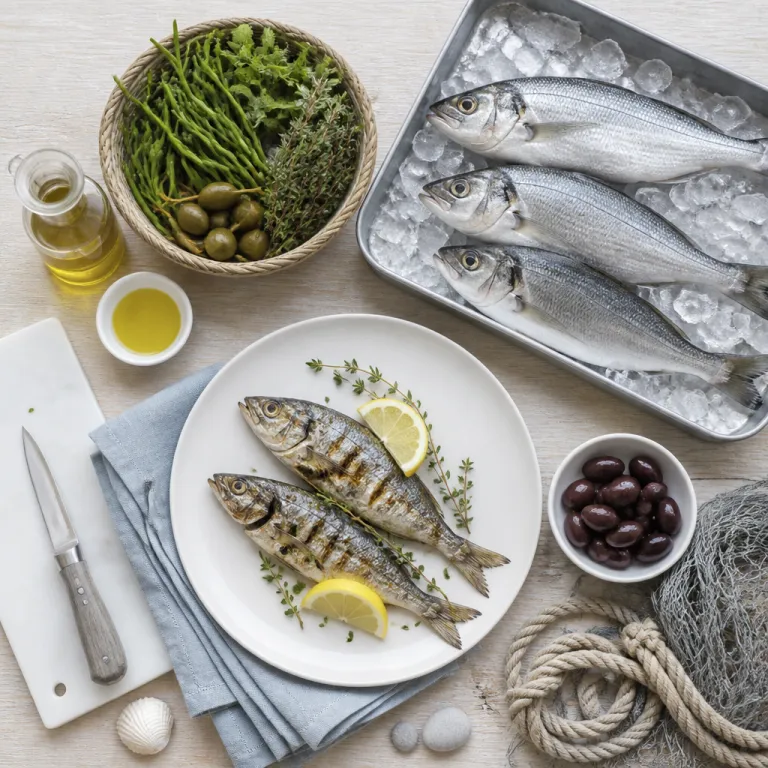
On Crete’s northwest coast, fisherman Panos runs a “we fish and you feast” style excursion that has become a quiet classic among luxury travelers. Families board his traditional boat at first light, watch him work the nets and spearfish, then return to shore where a seaside taverna grills the catch with little more than salt, lemon and olive oil. For guests staying in high-end coastal hotels, this kind of boat-to-table food tour turns a simple cruise into a moving Greek cooking lesson.
Hotel concierges in Chania and around Gramvousa now weave these fishing tours into multi-day itineraries that also include wine tastings and relaxed cooking classes back at the property. Parents will appreciate how a morning at sea naturally leads into an afternoon in a shaded kitchen, where children help prepare traditional Greek salads, simple recipes Greek islanders have cooked for generations and grilled fish using the catch they watched come aboard. The story of Greek cuisine becomes tangible when your family moves from the boat to the pan in a single day.
Elsewhere on the mainland, farm-based retreats in the Peloponnese are turning agriculture into hospitality, as explored in our guide to slow travel farm stays that blend vineyards, orchards and guest rooms. Here, a family-friendly cooking class might start in the chicken coop or the vegetable garden, with children collecting eggs and tomatoes before stepping into an open-air cooking school space. These properties show how a thoughtful food tour can stretch across an entire day, from vineyard rows to the family table, without ever feeling staged or rushed. When enquiring, request sample daily schedules so you can see exactly how farm chores, tastings and classes fit around rest time.
Ikaria, blue zones and the family friendly Mediterranean diet
Ikaria, the Aegean island often cited as a blue zone, offers a different rhythm for families seeking depth rather than dazzle. Here, a Greek cooking experience is less about polished technique and more about absorbing the unhurried pace that underpins local longevity. In village kitchens across Ikaria, Greece, hosts quietly show guests how Greek cuisine, fresh ingredients and daily movement weave together into a lifestyle rather than a wellness trend.
Many luxury-minded families arrive via a short hop from the mainland, sometimes overnighting at an airport hotel before continuing to the island. Once on Ikaria, they find simple guesthouses and a handful of premium villas partnering with local cooks to offer cooking classes that feel like extended family lunches. You will learn to prepare recipes Greek villagers rely on, such as slow-cooked beans with wild greens, pies filled with foraged herbs and stews rich in olive oil yet light on meat.
For parents curious about the science behind the Mediterranean diet, these hands-on sessions provide more insight than any nutrition lecture. Children see how a Greek kitchen uses fresh herbs, pulses and seasonal vegetables to create the best food memories without excess fuss or sugar. When a host explains foraging as simply collecting wild food resources, the concept of a food tour shifts from tourist activity to everyday life, and every subsequent cooking class on your trip feels anchored in something real. To deepen the experience, ask your host which dishes are eaten daily versus only at village festivals, and note how often meat appears on the weekly menu.
Choosing the right hotel for hands on Greek cuisine experiences
For families booking luxury stays in Greece, the difference between a token cooking class and a transformative culinary experience often lies in the hotel’s philosophy. Properties that treat food as a core part of their identity will integrate Greek cooking into daily life, from breakfast buffets featuring local cheeses to evening workshops in a dedicated cooking school space. When you scan hotel descriptions, look for mentions of on-site gardens, partnerships with local producers and small-group cooking classes rather than generic buffet references.
Some island resorts now collaborate with renowned figures such as Diane Kochilas, whose work on Ikaria and Greek cuisine has inspired many travelers to learn more about the blue zone lifestyle. A hotel that hosts a visiting chef like Diane, or that sends guests to trusted local homes for intimate cooking classes, signals a deeper commitment to authentic Greek food culture. Families will benefit from itineraries where a structured class is paired with relaxed food tours, market visits and wine tastings, allowing children to see how ingredients move from stall to stove. When researching, check whether the property lists named chefs, published cookbooks or regular culinary events in its profile.
Even urban stays can deliver meaningful Greek cooking experiences when concierges connect guests with nearby cooking school partners and neighbourhood tavernas. Pair a city break with a spa-focused island escape, using our guide to Ionian spa circuits in Corfu and Paxos to balance feasting with restorative swims and treatments. In both settings, the most rewarding Greek kitchen moments happen when hotels prioritise small groups, fresh ingredients and enough time in the day for families to cook, eat and linger together. When you book, ask directly how many participants are allowed per class and whether private sessions can be arranged for your family.
FAQ
Do I need prior cooking experience to join these classes ?
No formal background is required for a Greek cooking class, even at luxury properties. Most Greek cooking classes are designed so children and adults can learn side by side, with tasks scaled to different ages. When reserving, mention your comfort level in the kitchen so hosts can tailor chopping, stirring and plating jobs accordingly.
How can I tell if a food tour or class is genuinely local ?
Look for small group sizes, clear references to local ingredients and named hosts such as Maria, Panos or Manos rather than anonymous staff. Hotels that partner with village homes, family-run farms or long-established tavernas usually offer more authentic Greek food experiences. Reading detailed descriptions of recipes, foraging walks and market visits will help you avoid generic, tourist-only demonstrations, and you can always ask whether locals also attend the same classes.
What is the best season for foraging, fishing and cooking experiences ?
Foraging walks in Greece are strongest in spring and autumn, when wild greens and fresh herbs are abundant. Fishing excursions and boat-based food tours work particularly well in summer, when seas are calmer and days are long. Cooking classes run year-round, but summer and early autumn bring the fullest range of tomatoes, figs, grapes and island vegetables to your Greek kitchen sessions. If you are travelling in winter, ask hosts which seasonal dishes replace the classic summer salads.
Can dietary restrictions be accommodated in Greek cooking classes ?
Most reputable providers and hotel partners can adapt recipes Greek hosts teach to accommodate allergies, vegetarian preferences or gluten-free needs. Inform your concierge or host well before the day of your class so they can adjust ingredients without compromising the integrity of traditional Greek dishes. It is also wise to confirm how kitchens handle cross-contamination if someone in your family has a severe allergy.
How far in advance should I book food experiences for my family ?
Popular Greek cooking classes, fishing tours and foraging walks often have limited spots, especially on smaller islands. Families traveling in peak holiday periods should reserve at least six to eight weeks ahead, ideally when confirming their hotel bookings. Early planning gives concierges time to coordinate transfers from the airport, align class times with your day trips and secure the most child-friendly hosts, particularly for younger children who may need shorter sessions.