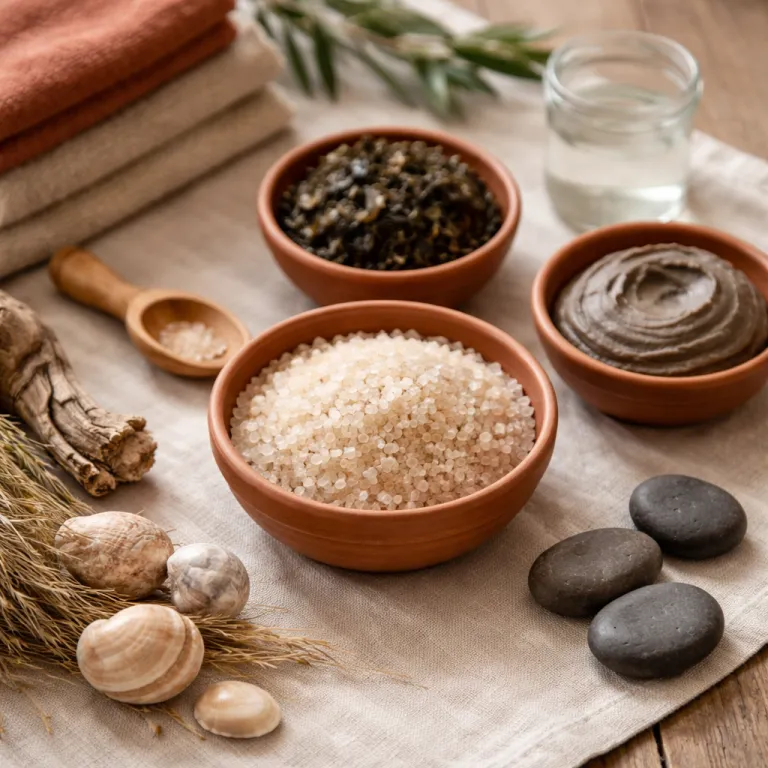
The quiet power of thalassotherapy in Greece for modern couples
Thalassotherapy in Greece is not a trend, it is a return to origins. Along these coasts, therapy with seawater, marine mud and algae still echoes the medical texts of ancient Greece, where Hippocrates praised the sea for its healing properties and its subtle benefits for circulation and mood. For couples planning a wellness stay, this makes thalassotherapy in Greece feel less like a spa fad and more like a considered investment in long term wellness.
The Greek Ministry of Tourism now regulates dedicated thalassotherapy centers, which means a serious wellness center in Greece must meet clear standards for seawater therapy, hygiene and staff training. That framework matters when you are booking a multi day programme that combines heated seawater baths, hydrotherapy jets, targeted massage and supervised body wraps designed to support stress relief and joint pain management. When you compare this to a generic hotel spa in Greece that simply adds a seawater pool to its treatments menu, you start to see why choosing a certified seawater spa is essential for real therapeutic results.
Across the country there are around 15 officially recognized thalassotherapy centers, many integrated into luxury hotels where the spa thalassotherapy wing feels like a self contained sanctuary. A proper center offers a state art circuit of heated seawater pools, high pressure underwater jets, sea water inhalation cabins and marine based beauty treatments that work on both body and skin. For couples, the promise is ultimate relaxation, but the deeper draw is the way these rituals help you relax rejuvenate together, aligning your sleep, your energy and your sense of being well in your own bodies.
Where thalassotherapy in Greece meets serious luxury hospitality
Some Greek properties treat thalassotherapy as a marketing word, while others build their entire spa philosophy around seawater therapy. Divani Athens Spa & Thalasso Center, attached to Divani Apollon Palace on the Athenian Riviera, is one of Europe’s largest dedicated facilities and a benchmark for spa thalassotherapy in Greece. Here, couples move through a sequence of heated seawater pools, underwater massage stations and marine mud treatments that feel closer to a medical protocol than a casual hotel massage.
In Athens you can combine a culture rich city stay with daily access to this wellness center, timing your baths and body wraps between visits to the Acropolis Museum and dinners in Glyfada. The center offers a wide range of treatments that use filtered sea water from the Saronic Gulf, exploiting its mineral density for circulation support, gentle detox and skin conditioning. When a spa in Greece invests in this level of infrastructure, from high pressure jets to carefully calibrated pool temperatures, you feel the difference in how your body responds after several days.
On Mykonos, Petasos Beach Resort & Spa brings thalassotherapy closer to the island party circuit, yet its seawater spa wing remains surprisingly serious. Couples can book multi day programmes that alternate marine based beauty treatments with classic massage, then step straight from the pool deck to the Aegean Sea for an unstructured swim. For a broader overview of Greek hotels that balance sea views with credible wellness, our guide to luxury hotels with spa indulgent retreats and exclusive experiences is a useful starting point when you are shortlisting properties.
Why Greek seawater works differently from alpine thermal traditions
Alpine spa culture has taught us to move between sauna, snow and thermal baths, yet thalassotherapy in Greece follows another rhythm entirely. Here the focus is on sea water that is rich in minerals like magnesium, sodium and trace elements, combined with marine mud and algae that interact with the skin in a different way from inland hot springs. When you immerse your body in heated seawater, the osmotic exchange between skin and water can support circulation, ease muscular tension and complement gentle work on body fat metabolism when paired with movement and a balanced diet.
Thermal spa traditions in the mountains rely on naturally hot springs, while Greek seawater therapy usually heats filtered sea water to body friendly temperatures in controlled pools. This allows therapists to adjust high pressure jets for targeted massage on areas of joint pain, or to design multi day circuits that alternate dynamic hydrotherapy with quieter floating sessions for stress relief. Hammam culture, by contrast, focuses on steam, exfoliation and social ritual, which pairs beautifully with thalassotherapy but does not replace the specific healing properties associated with sea based treatments.
For couples used to alpine wellness weekends, the slower cadence of thalassotherapy in Greece can feel unexpectedly restorative. You spend more time in water that mirrors your own internal salinity, then step out to rest in quiet cabins rather than icy plunge pools, letting the body integrate the benefits. For a deeper dive into why Greek seaside spas often outperform their mountain rivals, our analysis of Greek thalassotherapy and seaside spa culture unpacks the science and the hospitality details that matter when you book.
Inside a proper thalassotherapy session in Greece
A serious thalassotherapy session in Greece begins long before you slip into the pool. You will usually complete a brief health questionnaire, then sit with a therapist who maps your priorities, whether they are stress relief, support for joint pain, post travel fatigue or a focus on skin quality and body tone. This is where a well trained spa équipe makes a difference, because they can steer you away from treatments that are not appropriate for your current condition.
The typical circuit starts with warm seawater baths in a dedicated pool, where underwater jets deliver a kind of aquatic massage that works along the legs, back and shoulders. From there you might move to targeted seawater therapy cabins, alternating high pressure jets with gentler showers, before a therapist applies marine mud or algae body wraps that cocoon the skin while you rest. Many centers in Greece also integrate classic massage, from deep tissue to lighter aromatherapy, to complement the mineral work of the sea water with hands on attention to muscular patterns.
Preparation is simple but important for couples who want to relax rejuvenate without discomfort. Avoid heavy meals and alcohol before your session, drink water between each stage and respect the recommended time limits in heated seawater pools to protect circulation. If you are pregnant, have cardiovascular issues or are taking specific medication, always flag this early so the wellness center can adapt your programme and focus on gentler beauty treatments or shorter water based sessions that still feel like ultimate relaxation without unnecessary risk.
Designing a multi day thalassotherapy stay that actually works
One of the biggest mistakes couples make is treating thalassotherapy in Greece as a single afternoon activity. The real benefits emerge over a multi day stay, ideally five days or more, when your body has time to respond to repeated exposure to heated seawater, marine minerals and structured rest. Think of it less as a one off spa treatment and more as a short, sea based retreat that quietly recalibrates how you sleep, digest and carry stress.
In Athens, a five night stay near Divani Athens Spa & Thalasso Center allows you to alternate morning seawater spa circuits with unhurried city walks, balancing therapy and urban life. On Mykonos, you might pair Petasos Beach Resort & Spa with evenings in town and a day exploring venues highlighted in our guide to Mykonos venues with fine service and hospitality, returning each afternoon for targeted treatments. On Crete, properties like Minos Palace and Lesante Blu structure their spa thalassotherapy offerings so that couples can move from high pressure hydrotherapy to quieter beauty rituals, then out to the open sea for an unstructured swim that completes the cycle.
When you plan this kind of wellness focused itinerary, pay attention to the details that separate cosmetic spas from serious centers. Look for a state art wellness center that lists seawater therapy, marine mud, body wraps and hydrotherapy jets as core services, not optional extras. Ask how the center offers to tailor programmes for specific concerns like joint pain or body fat management, and remember that “What is thalassotherapy?” and “Are thalassotherapy treatments scientifically proven?” and “Where can I find thalassotherapy centers in Greece?” are questions worth putting directly to the hotel, even if “Evidence is limited; benefits are largely anecdotal.”
How to choose the right Greek thalassotherapy hotel for your couple escape
Selecting the right property for thalassotherapy in Greece starts with geography and intent. If you want culture and sea in one stay, Athens and the Athenian Riviera offer easy access to regulated centers, while islands like Mykonos and Crete lean more toward resort style wellness with dramatic sea views. Couples seeking quiet should look for hotels where the spa and wellness center sit slightly apart from the main pool and bar, creating a calmer atmosphere for therapy.
Scrutinize the spa menu and the language used to describe treatments, because this is where you can separate marketing from substance. A serious seawater spa will reference heated seawater pools, hydrotherapy jets, marine mud, algae based body wraps and structured multi day programmes, not just generic massage and facials. Check whether the center offers medical or physiotherapy input for guests with joint pain or circulation issues, and whether staff are qualified to adapt programmes for different levels of fitness and body composition, including concerns about body fat or post injury recovery.
Finally, consider how the wider hotel experience supports your wellness goals as a couple. Rooms with sea views and quiet balconies encourage rest between treatments, while access to the actual sea allows you to alternate controlled seawater therapy with free swimming in open water. When a property aligns its gastronomy, sleep environment and spa thalassotherapy philosophy, the result is a stay in Greece that feels both indulgent and quietly corrective, leaving you not only pampered but genuinely well in your own skin.
FAQ
What is thalassotherapy in Greece exactly ?
Thalassotherapy in Greece is a form of therapy that uses filtered seawater, marine mud and algae based products for health oriented treatments. Sessions usually combine heated seawater pools, hydrotherapy jets, body wraps and massage to support circulation, skin quality and stress relief. Many centers are integrated into luxury hotels, particularly in Athens and major island destinations.
Are thalassotherapy treatments in Greece scientifically proven ?
Evidence for thalassotherapy is mixed, with some studies suggesting benefits for circulation, muscular relaxation and perceived stress, while others highlight the need for more rigorous data. Official guidance acknowledges this nuance, stating that “Are thalassotherapy treatments scientifically proven?” and “Evidence is limited; benefits are largely anecdotal.” Couples should view programmes as supportive wellness experiences rather than medical cures.
How many thalassotherapy centers operate in Greece ?
There are around 15 officially recognized thalassotherapy centers in Greece, according to data from the Greek Ministry of Tourism. Many are attached to high end hotels or dedicated wellness resorts, especially in Athens, on Mykonos and in other major tourist regions. This relatively small number makes advance booking essential during peak travel periods.
How much does a typical thalassotherapy session cost in Greece ?
Industry reports indicate that the average cost per thalassotherapy session in Greece is around 50 EUR. Prices vary depending on whether you book a simple seawater pool circuit, a combined package with massage and body wraps, or a multi day programme. Couples planning a focused wellness stay should budget for several sessions to feel cumulative benefits.
How should couples prepare for a thalassotherapy focused stay ?
Preparation starts with choosing a hotel that hosts a serious wellness center with seawater therapy at its core, then booking treatments in advance. Arrive with realistic goals, avoid heavy meals and alcohol before sessions, and allow time between treatments for rest, hydration and gentle movement. Combining structured spa time with light sightseeing and unhurried meals tends to produce the most balanced and restorative experience.