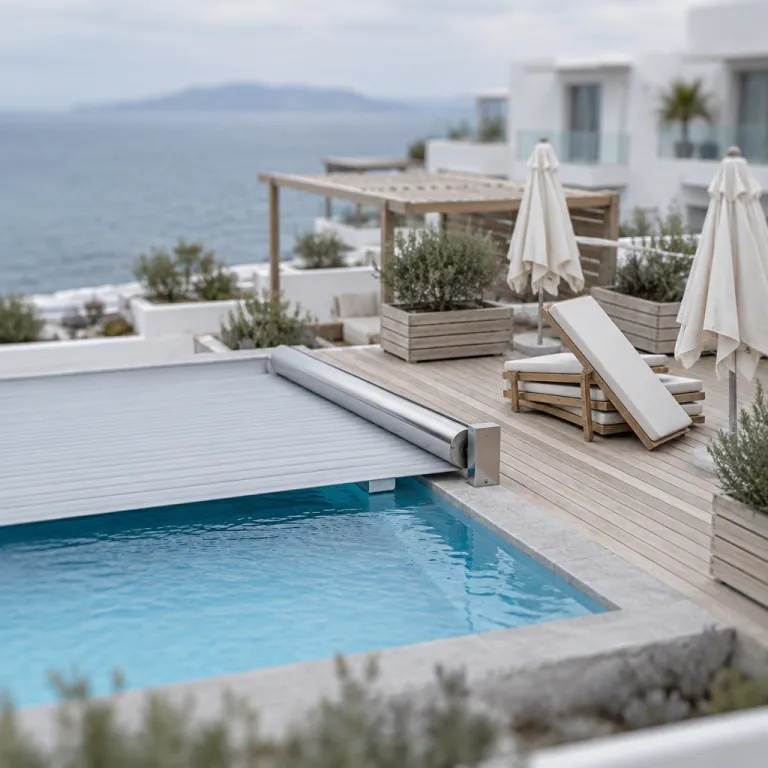
How greece off season luxury became a new kind of high season
For decades in Greece, luxury meant July heat, packed tavernas and fully booked suites. As the Greece season stretches beyond summer, the best hotel owners now talk about a long goodbye to August rather than a hard stop in October, reshaping what greece off season luxury really feels like. Couples who once planned only five or six days in peak months now reserve longer stays in the shoulder season, timing their travel for quieter islands and softer light.
The shift began in Athens, where five-star properties saw that luxury travel demand no longer vanished with the first autumn rain. Warmer weather patterns in Greece, combined with higher-spending travelers who work remotely, encouraged hotels to keep spas, rooftop cafés and private pools open well into what used to be low season, especially from October to April when you still get long, bright days. According to Bank of Greece data on inbound tourism receipts (Travel Services, 2013–2023), international arrivals in October have risen by more than 30% over the past decade, and national tourism strategy now promotes Greece as a year-round destination, a message that filters down to every island, from Crete to smaller Greek islands that once shut completely.
For you, this means Greece off-peak luxury is no longer a compromise but often the best time to visit Greece. You will find fewer tourists at major archaeological sites, easier ferry connections and more attentive service at every hotel because staff are not racing through peak-season check-ins. On a single Greek island, you can swim in the Aegean Sea at midday, then spend the evening in local cafés where the pace of time in Greece returns to something unhurried and deeply Greek.
From three month rush to year round strategy
Historically, many luxury hotels on every island in Greece closed after October because the economics were brutal. Staff contracts, seasonal ferry schedules and the perception that winter weather made Greek islands unappealing all pushed owners to compress their entire year’s revenue into ninety frantic days, leaving properties dark for the rest of the Greece season. That model worked when travelers accepted that the best time for luxury travel was simply July and August, no questions asked.
What changed is both climate and clientele, and that is where Greece’s off-season luxury scene really took root. Autumn now brings long strings of warm days, especially on Crete and the southern Greek islands, while remote-working couples can choose their time to travel winter-wide open, often preferring the shoulder season from October to April. These travelers are not chasing the lowest low-season price; they want space, culture and private experiences, and they are willing to pay for a hotel that stays open year-round.
On islands like Ikaria, where slow living shapes daily time in Greece, hoteliers realised that guests who arrive outside peak season Greece spend more on long lunches, guided walks and wellness treatments. That insight has spread across the Aegean Sea, inspiring more properties to design Greece off-season luxury packages that include archaeological sites, vineyard visits and local food rather than only sun loungers. In Athens, for example, Hotel Grande Bretagne and the King George have extended spa and rooftop operations deeper into autumn, while on Crete, resorts such as Daios Cove now promote curated shoulder-season experiences that blend gastronomy, wellness and private excursions. If you are curious about how this slower rhythm feels on a longevity-focused Greek island, our guide to slow living on Ikaria shows how a different kind of luxury travel is emerging beyond summer.
What autumn and early winter luxury in greece actually looks like
Arrive in Athens in late October and you will feel the difference immediately. The weather is still gentle enough for café terraces, yet the city’s archaeological sites breathe again, giving you Greece off-season luxury in the form of empty marble steps and unhurried museum visits. Couples can spend their days between the Acropolis, the cafés of Kolonaki and a hotel spa, then plan a few days on a nearby Greek island without the summer crush.
On Crete and the Dodecanese, including the classic Crete–Rhodes pairing, the Aegean Sea often stays swimmable well into what used to be called travel winter. This is the best time for a private tasting at a winery, a guided walk through olive groves or a slow lunch in seaside cafés where you won’t find queues or rushed service. Many luxury hotels now curate Greece shoulder-season itineraries that combine archaeological sites with nature, such as day trips from Athens to Delphi and Meteora, or multi-island stays that stitch together several Greek islands by short ferry hops.
For planners used to a rigid peak calendar, this longer-season travel window can feel disorienting. Our analysis of where to book in Greece for peak summer still matters, but the best time for couples seeking quiet luxury has shifted firmly toward the shoulder season. Think of Greece off-season luxury as a spectrum that runs from October to April, with fewer tourists, softer weather and hotel teams who finally have the time to treat you like a guest rather than a room number.
The new calendar of greece off season luxury
The old rule that the season in Greece ended in October is now obsolete. Luxury hotels from Athens to the smallest island are quietly redrawing their calendars, guided by data that shows receipts rising faster than arrivals as higher-value travelers choose to visit Greece outside the classic summer months. For couples, this means that Greece off-season luxury is no longer a niche secret but a deliberate strategy you can use to shape your travel plans.
Think of the year in three arcs rather than two blunt halves of high and low season. From late spring to early autumn, Greece season still brings long days and busy ferries, but October and November have become a golden shoulder season when you will find fewer tourists, lower rates and more availability at the best hotel addresses. From December through early spring, the focus shifts to Athens, Crete and a handful of Greek islands with strong local life, where year-round cafés, cultural sites and private guides keep luxury travel interesting even in the heart of winter.
This evolution also forces a conversation about responsibility in luxury travel, especially in an overtouristed Greece where some islands strain under summer numbers. Our report on what World Tourism Day asks of luxury travelers argues that choosing Greece off-season luxury is one of the most powerful decisions you can make. By shifting your time in Greece toward the shoulder season and low season, you support local jobs year-round, ease pressure on fragile Aegean Sea ecosystems and reclaim a version of Greek hospitality that feels intimate, attentive and quietly, confidently luxurious.
FAQ
Is October a good time for luxury travel in greece ?
October is now one of the best times for Greece off-season luxury, especially for couples. The weather in Greece is usually mild, the Aegean Sea often remains warm enough for swimming and you will find fewer tourists at major archaeological sites and in popular cafés. Many top hotel properties in Athens and on larger Greek islands such as Crete stay open, offering better availability and more personalised service than in peak season.
Which greek islands work best for an off season luxury stay ?
For Greece off-season luxury, focus on larger or more populated islands that have strong local life year-round. Crete, Rhodes, Corfu and some Cycladic islands with good ferry or flight connections offer open restaurants, cultural sites and high-end hotel options even in the shoulder season. Smaller Greek islands can be magical in low season, but you should check carefully that your preferred hotel, cafés and private services are operating on your chosen dates.
How many days should a couple plan for an autumn trip to greece ?
For a first taste of Greece off-season luxury, plan at least seven to ten days. That allows three or four days in Athens for museums, archaeological sites and dining, plus another four to six days on a Greek island such as Crete or a Crete–Rhodes combination. With more time, you can add inland highlights like Delphi and Meteora, or extend your stay to enjoy slower mornings, long café stops and private excursions without rushing.
Will I still find good weather in greece between october and april ?
Weather in Greece between October and April is variable, but it often suits Greece off-season luxury very well. Early in this period, especially in October and early November, you can expect many warm days, calm seas and comfortable evenings, particularly on southern Greek islands. From late autumn into winter, conditions are cooler and sometimes rainy, yet Athens and Crete still offer plenty of indoor cultural sites, cosy cafés and spa-focused hotel stays.
How does traveling in the low season affect prices and crowds ?
Choosing Greece off-season luxury usually means fewer crowds and more value, though not always the absolute lowest prices. High-end hotels may reduce rates compared with peak season, but they increasingly attract travelers who prioritise space, service and flexible time in Greece over deep discounts. You benefit from quieter ferries, easier restaurant reservations and more attentive staff, while your spending supports local communities beyond the traditional Greece season.