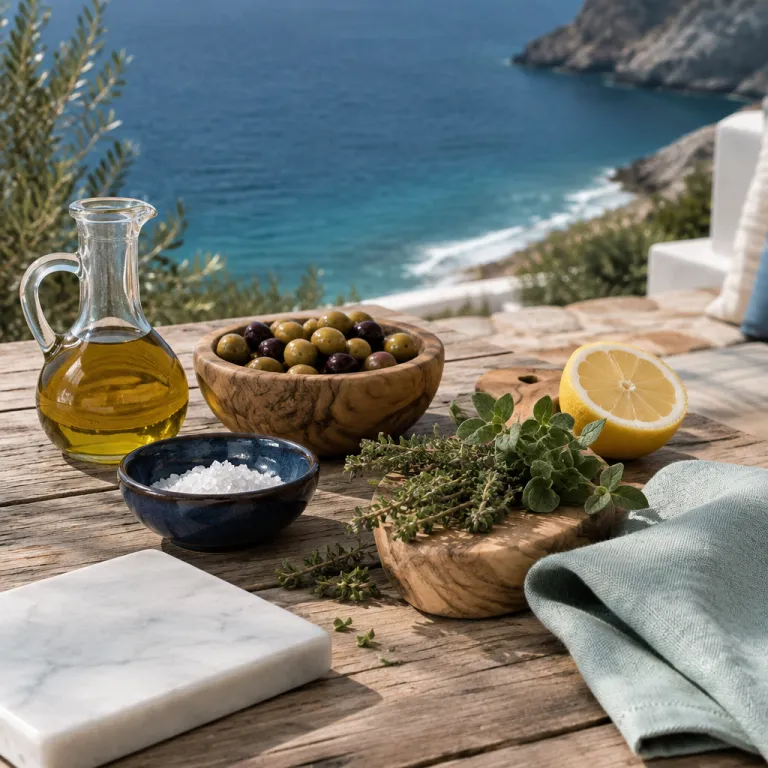
World Tourism Day and the new rules of luxury in Greece
World Tourism Day lands differently in Greece, where luxury and pressure now share the same shoreline. For travelers planning responsible luxury travel in Greece, the celebration of global tourism feels less like a party and more like a quiet question about how you want your next trip to look. The Greek islands still promise light, sea, and ease, yet the context of overtourism means every hotel choice and every sailing excursion carries weight.
Greece has become a shorthand for summer perfection, with tourism concentrated on a handful of islands and a few famous luxury hotels. That success has pushed the Greek tourism model to a tipping point, especially on each iconic Greek island where infrastructure strains under short, intense seasons. World Tourism Day now highlights a shift toward sustainable luxury, asking visitors to think about low impact habits rather than only the best Instagram view.
For solo travelers planning a luxury vacation, this is not a call to cancel Greece but to travel differently. Responsible luxury travel in Greece means choosing hotels and resorts that respect water scarcity, waste management, and local employment, not only marble bathrooms and infinity pools. It also means reading each travel guide with a critical eye, asking how your presence supports local communities on both islands and mainland regions that rarely make the headlines.
From overtourism to sustainable luxury: where your money sleeps at night
On the most visited Greek islands, authorities are tightening controls, from caps on cruise arrivals to stricter spatial planning for new hotels. These measures aim to protect ancient sites, fragile coastlines, and small villages that were never designed for mass luxury travel. For you, the traveler, this World Tourism Day moment is an invitation to align your hotel choices with a more sustainable Greece rather than a purely extractive one.
High end properties are responding, and the smartest luxury hotels now treat sustainability as a design principle, not a marketing post. You see it in small luxury properties that limit room numbers, invest in energy efficient systems, and work with local guides instead of generic tour desks. You also see it in brands such as phaea blue, which position themselves at the intersection of sustainable luxury and refined Greek hospitality, proving that luxury Greece can be both indulgent and low impact.
If you want to go deeper, start by reading a detailed travel guide to premium eco friendly hotels in Greece, such as the one on sustainable luxury for discerning travelers. Use it as a filter when you book any luxury hotel, whether on a famous Greek island or in quieter islands mainland regions like Epirus and the Peloponnese. Responsible luxury travel in Greece becomes real when your chosen hotels and resorts can show measurable sustainable practices, not only elegant design and polished service.
Practical ways to be a high value, low impact guest
Being part of the solution in Greece does not mean sacrificing comfort ; it means reframing what feels luxurious. The best time for responsible luxury travel in Greece is often the shoulder season, when the weather is gentle, the sea is swimmable, and the pressure on each island is lower. A September or May trip spreads tourism more evenly, supports local employment for a longer duration, and gives you quieter experiences in both luxury hotels and small family run restaurants.
Think about how you structure your itinerary across the Greek islands and mainland. Instead of a frantic island hopping circuit of five destinations in seven days, choose one Greek island and one mainland region, then stay longer in each luxury hotel you book. Longer stays reduce transport emissions, deepen your connection with local culture, and turn travel experiences into relationships rather than a checklist of the best Greek sunsets.
When you book, look for transparent sustainability criteria and ask questions before you confirm. A reliable starting point is a specialist guide on how to spot genuinely sustainable hotels in Greece, which helps you read between the lines of glossy marketing. Responsible luxury travel in Greece also means choosing local guides over anonymous group tours, booking small sailing trips instead of mega yachts, and directing more of your vacation budget into local businesses that keep Greek tourism resilient.
Rethinking indulgence: from caldera suites to quiet harbors
Luxury in Greece is evolving from spectacle to substance, and World Tourism Day simply makes that evolution more visible. The classic image of luxury travel in Greece might be a caldera facing suite, yet the new status symbol is a low impact stay that still feels deeply indulgent. That could mean a small luxury property above a quiet harbor, where your morning view includes fishing boats and local life rather than only other hotels.
For some travelers, the most refined experiences now happen away from the busiest islands, in places where ancient paths, vineyards, and stone villages shape the rhythm of each day. A carefully chosen luxury hotel in Zagori, Mani, or Tinos can rival the best Greek island stays, especially when paired with thoughtful local guides and slow travel experiences. If you are tempted to skip the ferry altogether, consider an urban pause in Athens with poolside calm and rooftop bars, using a curated resource on high summer retreats worth staying in the city for.
Responsible luxury travel in Greece also reshapes what you do between check in and check out. Swap a crowded party cruise for a small group sailing afternoon that respects marine life, or trade a rushed coach tour for a private walk with a local historian who can connect you to ancient stories. The most memorable travel experiences now sit at the intersection of comfort, culture, and conscience, proving that visit Greece can still mean both pleasure and care when you choose your hotels, routes, and rhythms with intention.
FAQ
How can I make my luxury trip to Greece more sustainable ?
Choose responsible luxury hotels that publish clear sustainability practices, from water use to waste management. Travel in the shoulder seasons, stay longer in each place, and favor local guides, small sailing operators, and independent restaurants over high volume tourism chains. This approach keeps your impact low while still delivering rich Greek travel experiences.
Is island hopping still a good idea for responsible travelers ?
Island hopping can work if you limit the number of islands and slow the pace. Focus on one well known Greek island and one lesser known destination on the islands mainland, using ferries instead of flights whenever possible. By staying longer in each luxury hotel, you reduce transport emissions and support local communities more meaningfully.
What is the best time to visit Greece for low impact luxury travel ?
The best time for responsible luxury travel in Greece is usually late spring and early autumn. During these months, the weather is pleasant, the sea is warm enough for swimming, and the pressure on popular islands and hotels is lower. You enjoy quieter ancient sites, better service, and a more relaxed rhythm while easing strain on Greek tourism infrastructure.
How do I know if a luxury hotel in Greece is genuinely sustainable ?
Look for third party certifications, transparent reporting on energy and water use, and evidence of local employment and sourcing. Read independent reviews and specialist guides that explain how to evaluate sustainable luxury rather than relying on marketing labels alone. When in doubt, email the hotel with specific questions about their practices and see how clearly they respond.
Can staying in Athens instead of the islands be a responsible choice ?
Yes, spending more time in Athens can be a very responsible option, especially when islands are at capacity. The city offers excellent luxury hotels, strong public transport, and rich cultural experiences that spread tourism benefits beyond a few crowded coastlines. Pair an urban stay with a short trip to a nearby, less visited island or mainland region to balance comfort with low impact travel.
Suggested sources for further reading : United Nations World Tourism Organization (UNWTO) on World Tourism Day themes ; Greek National Tourism Organization communications on sustainability initiatives ; reports from the World Travel & Tourism Council on high value, low impact tourism models.