Travel Greece for theatre: why ancient stages shape a modern luxury stay
To travel Greece as a luxury seeker is to move between sea and stone, between a caldera suite and a marble seat polished by centuries of people. When you plan a trip to Greece around a performance in an ancient theater, your hotel booking stops being a simple transaction and becomes part of a wider cultural script that runs from the Athens Acropolis to the last ferry back from an island. The most rewarding itineraries weave Greek travel with performance pilgrimages, pairing a refined stay with nights under the stars where the only ceiling is the Milky Way.
Across the Greek mainland and the Greek islands, summer performances in ancient amphitheaters are curated by the National Theatre of Greece with a clear mission to revive ancient drama and support local economies. These theatrical productions use live actors, period costumes and authentic props, and they are staged in stone arenas where the acoustics are so good that a whisper can reach the highest seats without modern amplification. When you visit Greece for culture, aligning your travel plans and hotel choices with these events turns a good holiday into something quietly transformative.
The Athens and Epidaurus Festival is one of Europe’s most respected performing arts events, running each summer from early July to late September with a diverse program of shows and consistently strong attendance. Performances take place in ancient amphitheaters across Greece, and the program blends ancient Greek texts, contemporary dance, physical theater and music that needs no Greek language skills to move you. For travellers planning a long stay, this festival can anchor a wider itinerary that includes beaches, ferries between Greek islands and mainland road trips, with each hotel stay chosen for easy access to a specific theater.
Herodes Atticus Odeon and Athens: where marble seats meet five star keys
In Athens, the Herodes Atticus Odeon sits carved into the southern slope of the Athens Acropolis, its stone tiers facing a stage framed by arches and the lit Parthenon above. When you travel to the Greek capital for a performance here, the best time to arrive is just before sunset, watching the rock of the Acropolis shift from honey to deep gold as the orchestra tunes. This is where Athens’ best luxury hotels come into play, because the right booking lets you walk from your suite to your seat in less than twenty minutes.
Travellers who come to Greece for culture often choose a hotel in Plaka, Koukaki or around Syntagma, where neoclassical facades hide rooftop pools and discreet concierge desks. From these hotels, you can find the Herodes Atticus Odeon on foot, passing cafés filled with people and glimpses of the Athens Acropolis between streets, before settling into marble seats that have hosted opera, ballet and international artists. A good concierge will secure tickets through the National Theatre of Greece ticketing platform or trusted partners, advise on dress codes, and time your dinner so you are not rushing up the hill with the last-minute crowd.
For those pairing Athens with Santorini or Mykonos, the city becomes a cultural prologue before island beaches and ferries, and your hotel stay should reflect that narrative. Choose properties that understand performance schedules, offer late room service after the show, and can arrange private transfers back from the Odeon when you prefer not to walk. If you are curious about how luxury properties across Greece are rethinking responsibility, this detailed look at how sustainability becomes the benchmark for award winning Greek hotels offers a useful lens on which addresses deserve your booking.
Epidaurus and the Peloponnese: planning a performance pilgrimage from your hotel
The ancient theater of Epidaurus is the place where many people first understand what it means to travel Greece for culture, not just for beaches. Set among pine covered hills in the Peloponnese mainland, this Greek theater is famed for acoustics so precise that a coin dropped at centre stage can be heard clearly in the highest seats, a detail often cited in archaeological surveys and visitor guides. When you plan a trip to Greece around a performance here, your hotel booking becomes a strategic choice between coastal calm and rural quiet.
Luxury travelers often base themselves near Nafplio, a seafront town with elegant mansions, good restaurants and easy road access to Epidaurus for evening shows. From a refined hotel overlooking the bay, you can drive to the theater in under an hour, arriving early to explore the archaeological site before the sun softens and the stone cools. Performances here are part of the Athens and Epidaurus Festival, and they use live theatrical methods, ancient Greek texts and traditional staging techniques that respect the original architecture while integrating subtle acoustic enhancements documented by the festival’s technical teams.
For travellers who like to combine island and mainland, a Peloponnese stay can follow a few nights on a Greek island reached by ferries from Piraeus, or precede a hop to Paros where this neighbourhood by neighbourhood hotel guide helps you find the best hotels for different moods. Your island guide might focus on beaches and tavernas, while your Peloponnese guide leans into archaeological sites and wine estates, yet both can be threaded together by a single performance at Epidaurus. When you visit Greece with this kind of narrative in mind, every hotel, every ferry, and every dinner reservation feels like part of a carefully staged play.
Island stages and coastal nights: from Dodoni to the spirit of Mamma Mia
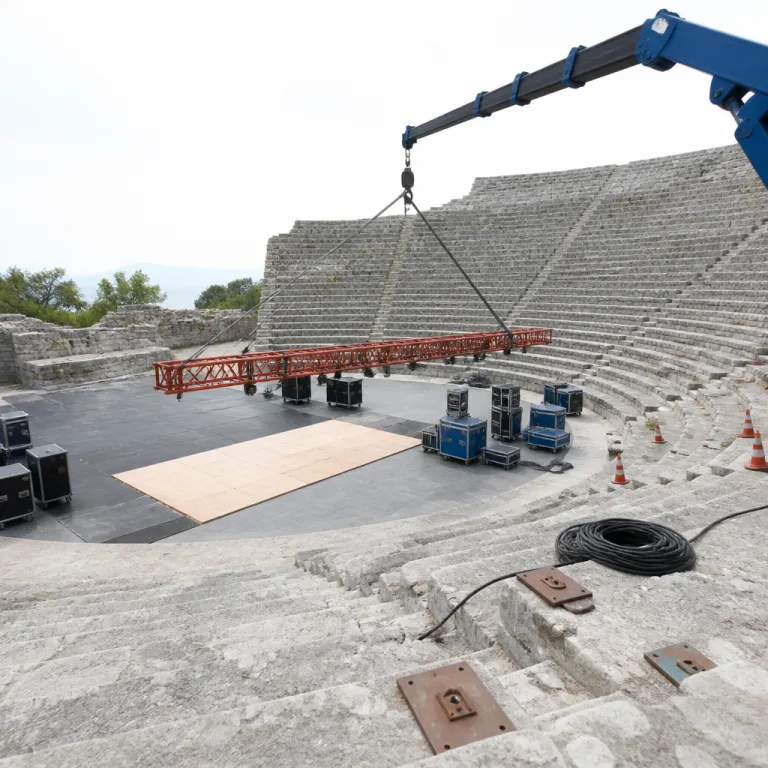
Beyond Athens and Epidaurus, several ancient theaters across Greece turn summer nights into open air salons where sea breezes replace air conditioning. In Epirus, the theater of Dodoni sits in a wide valley once known for its oracle, and watching a Greek tragedy here feels different from the coastal drama of the Peloponnese or the urban energy of the Athens Acropolis. Further north, the theater of Philippi in Macedonia hosts performances that draw people from nearby Greek islands and the mainland alike, often pairing shows with regional wine and food events listed in local cultural calendars.
While the most famous Greek islands for theater linked travel are not always the same as the best beaches, there is a growing trend of smaller venues and festivals that echo the mood of ancient drama. On Skopelos and Skiathos, where scenes from Mamma Mia were filmed, travellers often design a trip to Greece that mixes cinema nostalgia with live performance, staying in small luxury hotels that arrange private boat trips to coves used in the film. These islands may not have monumental theaters like Epidaurus, yet the combination of pine scented air, stone chapels and moonlit concerts creates a similar emotional charge.
When you travel Greek islands with performance in mind, consider how ferries and local transport align with show times, especially if you are staying on one Greek island and attending an event on another. A long stay on a single island can work well if you use it as a base for day trips, while shorter stays might focus on one key performance and one or two carefully chosen beaches. The best time to plan such itineraries is outside the absolute peak of summer, when ferries are still frequent, hotels offer more special offers, and the stone seats of smaller theaters feel less crowded.
How to book, when to go and where to stay for performance led itineraries
Planning to travel Greece around ancient theater performances starts with understanding the rhythm of the season rather than chasing last minute tickets. The main festival period usually runs from early July to late September, and the best time to visit for comfort is often the shoulder weeks when evenings are warm but not oppressive and ferries are busy without being chaotic. For travellers, this window also brings a better choice of hotels, more flexible booking conditions and a calmer atmosphere in both mainland towns and Greek islands.
Tickets for major venues such as the Herodes Atticus Odeon and Epidaurus are typically sold through the National Theatre of Greece and official partners, and demand for the best seats can be intense. As the organizers explain in their own material, “Book tickets early. Check local COVID-19 guidelines. Explore nearby historical sites.” Luxury travelers should lean on hotel concierges who understand the Athens and Epidaurus Festival calendar, can advise on which performances need no Greek language skills, and know how to pair a show with a late dinner reservation or private transfer.
When choosing where to stay, think in terms of performance clusters rather than isolated nights, using travel tips from curated travel guides instead of generic lists of best hotels. In Athens, aim for properties that balance proximity to the Athens Acropolis with quiet rooms, while in the Peloponnese you might prefer coastal resorts that make the drive to Epidaurus easy and scenic. On the Greek islands, especially if you are combining Santorini and Mykonos with smaller places, consider whether you want a long stay in one hotel with day trips by ferry, or a sequence of shorter stays that follow an island guide of concerts, festivals and intimate venues.
Emotional resonance: why stone seats change how you remember a luxury stay
Watching Greek tragedy or contemporary dance in an ancient theater does something that no infinity pool can quite match. You sit among people from around the world, yet the stone beneath you has held audiences for more than two millennia, and the line between past and present feels thinner than the program in your hand. For many travellers who journey through Greece this way, the memory that endures is not the thread count of the sheets but the moment when a chorus voice rises into the night and the cicadas briefly fall silent.
Luxury in this context is not only about the best hotels or the most exclusive suites, but about the freedom to shape your own narrative across mainland and islands. One night you might be in Athens, walking down from the Athens Acropolis after a performance at the Herodes Atticus Odeon, the Parthenon glowing above and the city lights stretching to the sea. A few days later, you could be on a Greek island terrace, the same stars overhead, replaying scenes from Epidaurus while a ferry horn sounds in the distance and the scent of grilled octopus drifts up from the port.
Even seasonal rituals such as Greek Easter can take on new meaning when framed by these experiences, especially if your trip to Greece includes both a festival performance and a village procession. The emotional arc of such a journey is subtle yet powerful, and it is amplified when your booking choices support properties that respect heritage and landscape, as highlighted in this in depth feature on sustainability as the new benchmark for leading Greek hotels. To travel Greek theaters and hotels in this way is to accept that the real performance continues long after the curtain call, in the quiet of your room and the stories you will tell when you return home.
FAQ
How can I purchase tickets for performances in ancient Greek theaters ?
Tickets for major performances in ancient theaters across Greece, including the Herodes Atticus Odeon and Epidaurus, are usually sold through the National Theatre of Greece and authorized partners. Online booking is the most convenient option, and many luxury hotels in Athens and the Peloponnese will assist with reservations if you ask their concierge. For popular nights in peak season, aim to secure seats several weeks in advance to have the best choice of views and price categories.
What is “Fragments: Euripides” and where is it performed ?
“Fragments: Euripides” is a performance concept that blends archaeology and theater, directed by Efthimis Theou and staged under the umbrella of the National Theatre of Greece. It uses ancient Greek texts, period costumes and authentic props to explore how fragments of plays and ruins can speak to contemporary audiences. Depending on the season, it may be presented in different ancient amphitheaters across Greece, so check the current Athens and Epidaurus Festival program or the National Theatre of Greece website for exact venues.
Do I need to speak Greek to enjoy performances in ancient amphitheaters ?
Many productions in ancient theaters are designed to be accessible to international visitors who travel Greece without speaking Greek. Physical theater, dance, music and opera rely more on movement and sound than on language, and some plays offer surtitles in English. When booking, look for program notes that specify language and surtitles, or ask your hotel concierge or travel guide to recommend performances that work well for non Greek speakers.
What should I expect when attending an open air performance in Greece ?
Ancient theaters in Greece are open air venues, so you sit on stone or marble seats exposed to the elements, usually with performances starting around sunset. Bring a small cushion or buy one at the entrance, carry a light layer for later in the evening, and wear comfortable shoes for walking on uneven ground. Arrive early to explore the site, avoid queues and enjoy the changing light on the stone before the performance begins.
How can I combine a luxury hotel stay with a theater focused itinerary ?
To combine luxury hotels with a theater led trip to Greece, start by choosing key performances in Athens, Epidaurus or other ancient venues, then build your itinerary around those dates. In Athens, stay near the historic center for easy access to the Athens Acropolis and Herodes Atticus Odeon, while in the Peloponnese you might select a coastal resort within driving distance of Epidaurus. Add a few nights on a Greek island reached by ferry, using curated travel guides and hotel reviews to find properties that match your style and offer flexible schedules around performance nights.