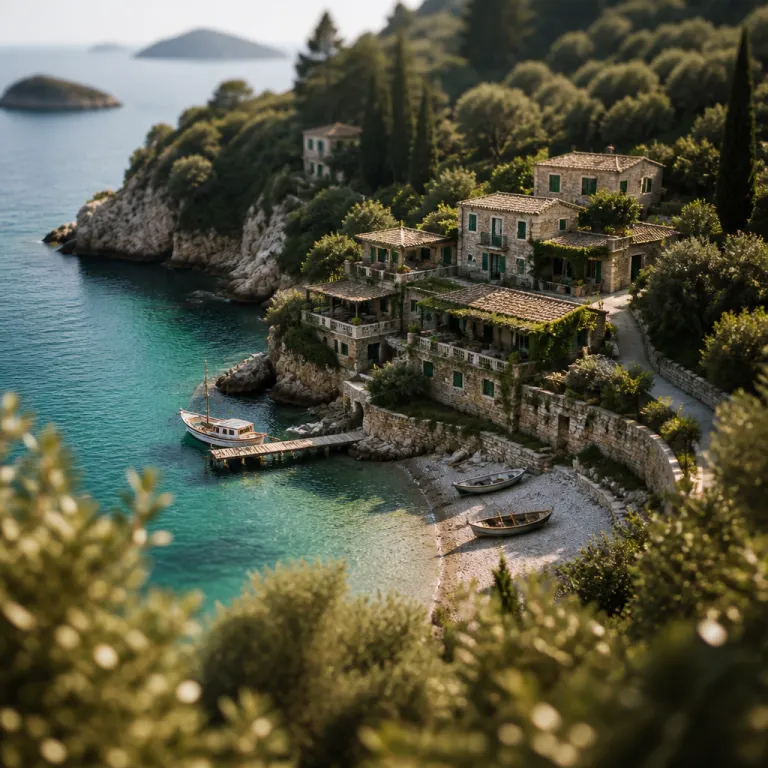
How to travel Greece in two weeks without chasing every ferry
How to travel Greece in two weeks without chasing every ferry
To travel Greece well with a family, you need to slow down. A two week family Greek island itinerary that balances famous names with quieter Greek islands will always feel more luxurious than a frantic checklist of ports and rushed hotel check ins. This is where a curated plan for a premium stay turns Greece travel from fantasy travel into something both elegant and deeply practical.
Most visitors start their trip to Greece in Athens, and that remains wise. Spend at least two days to experience Athens as more than a gateway, using a private guide to walk the Acropolis early, then drifting through the Acropolis Museum and the National Archaeological Museum while the sun is high. This rhythm lets you adjust to the heat, tune into the city’s history and plan which archaeological sites and islands you will visit next.
Families often ask how many days they should stay in the capital before they travel onwards to a Greek island. For this itinerary, two nights in a central luxury hotel near Syntagma or Plaka is ideal, giving you time to explore key sites and still enjoy a relaxed dinner with a view of the Parthenon. Use this window to finalise ferry booking, confirm any special offers with your preferred travel agent and refine your list of places to visit across the islands.
When you travel Greece with children, the real luxury is not the thread count but the pacing. Three or four nights per island means fewer early wake ups, less luggage chaos and more time to actually swim in that perfect cove you spotted from the ferry. It also gives you flexibility to adapt your trip to Greece if the weather shifts or a local festival suddenly becomes the highlight of your stay.
There are more than 6 000 Greek islands scattered around the Aegean and Ionian seas, with 227 inhabited islands offering wildly different experiences according to the Greek National Tourism Organization. That sheer number can make Greece great for repeat visits, but it also overwhelms first timers who try to visit too many places in one go. This itinerary focuses on a tight chain of islands where ferry connections are reliable, archaeological sites are accessible and luxury hotels Greece wide have proven family friendly credentials.
Two route options anchor this guide Greece for premium families who want both comfort and character. The first is a Cyclades circuit that runs Athens, Paros, Naxos, Amorgos, Santorini and back to Athens, using three night stays to keep the pace civilised. The second mixes chains, linking Athens with Hydra, Spetses, Milos, Folegandros and Santorini, a route that feels like a private tour through car free harbours and dramatic volcanic landscapes.
Quick navigation for this two week Greece with kids guide: jump to Route option 1, Route option 2, Why three nights per island, Ferry strategy, Where to stay, Designing days, Key figures and the FAQ.
Route option 1: a Cyclades circuit that respects nap time
The classic Cyclades loop for those who travel Greece usually means Mykonos and Santorini with a blur of ferries in between. Our version starts in Athens then heads to Paros for three nights, continues to Naxos for three nights, detours to Amorgos for three nights and ends with three nights in Santorini before returning to the mainland. This pattern of three day stays gives families time to unpack, find a favourite taverna and actually enjoy their hotel rather than treating it as a luggage storage site.
Paros is one of the best islands for easing into island life, with golden beaches, gentle winds and a compact main town that works beautifully for evening strolls. For a luxury stay, look for a hotel on the Naoussa waterfront where you can walk to dinner and still retreat to quiet suites within minutes. Family friendly options such as Saint Andrea Seaside Resort, Parilio or Cosme usually start around €350–€600 per night in summer for a junior suite, with higher rates in August and lower prices in May and October.
Naxos follows, and it is where many families realise that Greece travel can be both relaxed and culturally rich. Long sandy beaches like Agios Prokopios and Plaka are shallow and safe, while the island’s interior hides mountain villages, Venetian towers and small archaeological sites that bring Greek history alive for children. For detailed hotel recommendations, our dedicated guide to Naxos luxury hotels for refined island stays outlines the best options for multi generational trips.
Amorgos is the twist that keeps this Cyclades tour from feeling predictable. The island is wilder, with dramatic cliffs, deep blue coves and the cliff hugging Hozoviotissa monastery, one of the most memorable places to visit in any trip to Greece. Hotels here are simpler but atmospheric, so choose a property with spacious family rooms, a pool for late afternoon swims and easy access to the port for your onward ferry travel.
Santorini ends the circuit, but this itinerary treats it as a place to savour rather than a trophy stop. Stay three nights in a caldera view hotel with interconnecting suites, ideally in Imerovigli or Firostefani where the paths are quieter and the sunsets feel less like a performance. Book a private tour with a local guide to walk the Fira to Oia trail early in the morning, then spend the afternoon by the pool while the cruise ship crowds explore the island’s busier sites.
Families who still want a taste of Mykonos can add a three night extension either before Paros or after Santorini. Our separate guide to where to stay in Mykonos for a luxurious escape focuses on hotels that balance beach access with calm, a rare combination on this high energy island. Whether you include Mykonos or not, this Cyclades circuit keeps transfers manageable and ensures every stay feels intentional.
Sample three day rhythm on the Cyclades route: Day 1: arrival, check in, sunset walk and early dinner. Day 2: morning at a key beach or archaeological site, relaxed lunch, pool time, evening stroll. Day 3: boat trip or inland drive, unplanned swim stop and a final dinner at your favourite taverna before packing for the next island.
Route option 2: car free harbours and volcanic drama
The second route for those who travel Greece with a taste for quieter glamour links Athens with Hydra, Spetses, Milos, Folegandros and Santorini. This chain of islands offers a different kind of luxury, one defined by car free promenades, horse drawn carriages and harbours where children can safely run ahead while parents linger over a final glass of Assyrtiko. It is a route that feels like a private tour through living Greek history rather than a standard cruise itinerary.
Hydra is the first stop, reached by high speed ferry from Piraeus in under two hours. The island’s main town is a perfect amphitheatre of stone mansions and narrow lanes, with no cars allowed and donkeys still used for deliveries, which makes it one of the best places to visit Greece with younger children. Choose a hotel in the harbour or just above it, where sea views, shaded courtyards and generous family suites turn every stay into a lesson in understated elegance.
Spetses follows, a short hop away but with a different personality and a slightly more cosmopolitan edge. Here, neoclassical mansions line the waterfront, and horse drawn carriages still clip clop along the promenade at sunset, a scene that feels straight out of a Mamma Mia fantasy travel sequence. Families can split their days between boat trips to hidden coves, visits to small local museums and leisurely lunches at seafront tavernas where the octopus really does dry on the line.
From Spetses, you connect back through Piraeus and head to Milos, an island that has quietly become one of the best Greek islands for those who want dramatic landscapes without Mykonos level crowds. Milos is all about the sea, from the white rock formations of Sarakiniko to the colourful boat houses of Klima, and a good travel agent will secure a hotel with direct sea access or a short walk to a swimmable cove. Three nights here allow time for a full day boat tour, a half day exploring the island’s small archaeological sites and a lazy day by the pool.
Folegandros is next, a small Greek island with a cliff top Chora that feels like a film set yet remains surprisingly low key. The main town is pedestrianised, perfect for evening strolls with children, and the views from the Panagia church over the Aegean are some of the most dramatic in Greece. Hotels cluster around the Chora and the port, so choose based on whether you prefer easy ferry access or sunset terraces, always checking for early booking special offers in peak months.
Santorini closes this mixed chain route, but with only two nights to keep the focus sharp. Use one full day for a private tour that combines a visit to Akrotiri, one of the most important archaeological sites in the Aegean, with a family friendly wine tasting where children can sample grape juice while adults explore volcanic vintages. The second day can be left open for pool time, a short walk along the caldera and a final dinner overlooking the sea before your return to Athens.
Indicative family budget per island on this route: in peak summer, plan roughly €450–€700 per night for a family suite in a luxury hotel, €80–€150 per day for meals and snacks depending on dining style, and €60–€120 per person for shared boat tours or private excursions, with shoulder season prices often 20–30% lower.
Why three nights per island feel like a true luxury
When families travel Greece for the first time, they often underestimate the energy cost of ferry days. Every transfer means packing, checking out, waiting in the sun, boarding, disembarking and finding your next hotel, which can turn a holiday into a logistics exercise. Committing to three or four night stays on each island transforms the experience, giving you real days rather than fragments and creating a calmer two week Greece with kids itinerary.
Think of each island as a chapter in your trip to Greece, not a paragraph. The first day is for arrival and orientation, the second for a deeper dive into local sites and the third for unstructured time, whether that means a long lunch in a harbour taverna or a spontaneous swim at a beach you spotted from the road. This rhythm works especially well for premium families, where different generations have different energy levels and interests.
Longer stays also unlock better hotel options and more meaningful special offers. Many of the best hotels in Greece prefer three night minimums in peak season, and they often reserve their most desirable suites for guests who commit to longer stays. When you work with a trusted travel agent or book directly through a curated platform like My Greece Stay, you can often secure early booking advantages such as complimentary transfers, room upgrades or flexible cancellation terms.
From a cultural perspective, three nights per island give you time to move beyond the obvious places to visit. On Naxos, that might mean a day exploring the mountain villages of Apeiranthos and Halki rather than just the main beach, while on Milos it could be an afternoon at the small archaeological museum in Plaka after the crowds have left Sarakiniko. In central Greece, a similar approach applies if you add a pre or post island extension to Delphi or Meteora, where at least two nights allow you to experience the sites at quieter times.
There is also a sustainability argument for slower travel Greece that goes beyond marketing slogans. Fewer ferry legs mean lower emissions, less strain on port infrastructure and more money spent in local communities where you actually stay long enough to form habits, like returning to the same bakery each morning. Our in depth feature on sustainability in Greek hospitality explores how this kind of pacing can be more impactful than simply choosing a hotel with solar panels.
For children, the benefits are even clearer, because stability is its own form of luxury. They get to know the route from hotel to beach, recognise the staff at breakfast and feel confident ordering their favourite Greek dishes by the second or third day. That sense of familiarity turns each island from a backdrop into a temporary home, which is ultimately what most families seek when they travel Greece together.
Ferry strategy, early booking and how to avoid port chaos
A smart ferry strategy is the backbone of any successful plan to travel Greece by sea. The network between the Cyclades and the Saronic islands is extensive, but schedules vary by season and weather can disrupt even the best laid plans. Understanding how to combine slower Blue Star Ferries with faster catamarans such as SeaJets or Hellenic Seaways will save you both time and stress.
For longer legs, such as Athens to the central Cyclades or Piraeus to Rhodes, the larger conventional ferries are often more comfortable for families. They offer more stable rides, open decks, proper cabins and better food options, which matters when you are managing children and luggage over several hours. Use the faster catamarans for shorter hops between islands, where the priority is minimising travel time rather than maximising onboard comfort.
Early booking is essential for peak season, especially if you want specific cabin types or need to coordinate multiple islands in a tight window. Aim to secure your main ferry legs eight to twelve weeks before departure, then leave some flexibility for shorter inter island segments that you can adjust once you are in Greece. This approach balances the security of confirmed connections with the freedom to respond to local travel tips from hoteliers and guides.
Pack light to make every ferry day easier, especially when travelling with children. One medium suitcase per adult and a shared bag for younger travellers is usually enough for a two week trip to Greece, particularly when most hotels offer laundry services or can arrange it locally. Soft sided bags are easier to stack in ferry luggage areas and in smaller hotel rooms, which is another quiet luxury that seasoned travellers appreciate.
When planning your route, consider the direction of travel in relation to prevailing winds and sea conditions. Late spring and early autumn are generally the best times for Greek island hopping, as one expert summary puts it clearly : "Late spring or early autumn for pleasant weather and fewer tourists." These shoulder seasons not only offer calmer seas but also better hotel availability and more attractive special offers for premium suites.
Finally, always build a buffer day at the end of your itinerary before any long haul flight. Spend that last night in Athens, ideally in a hotel that allows a late checkout so you can rest after your return from the islands. Use the time for a final walk around Plaka, a relaxed dinner with an Acropolis view and perhaps a brief visit to an archaeological museum you missed at the start of your stay.
Where to stay: luxury hotels that understand family travel
Choosing the right hotel can make or break how you travel Greece with children. The best properties for premium families combine thoughtful design with practical details such as interconnecting rooms, shaded pools and early dinner options. They also understand that parents may want a glass of wine on the terrace while children sleep nearby, without feeling they have abandoned the evening entirely.
In Athens, look for hotels near Syntagma, Kolonaki or the Acropolis that offer family suites with separate living areas. This layout allows adults to unwind after bedtime while still keeping children close, a small but significant luxury on a long trip to Greece. Some of the best hotels also arrange private tours with child friendly guides who can bring Greek history to life at key sites.
On the islands, location is everything, especially when you are managing naps, beach time and dinner reservations. In Paros and Naxos, a hotel within walking distance of both the beach and a cluster of tavernas will simplify your days and reduce the need for taxis or rental cars. On smaller islands like Hydra and Folegandros, staying in or just above the main town means you can stroll to dinner and back without worrying about late night transfers.
Hotels Greece wide are increasingly attuned to the needs of multi generational travellers. Many now offer family focused amenities such as kids’ clubs, shallow pool sections, flexible breakfast hours and concierge teams who can arrange private boat trips or guided visits to archaeological sites. When you book, ask specific questions about room configurations, noise levels and proximity to busy bars, especially in destinations like Santorini where nightlife can be close to even the most luxurious properties.
For those who grew up on Rick Steves guidebooks or Mamma Mia fantasies, it can be tempting to choose hotels based purely on views or cinematic appeal. A more grounded approach combines that emotional pull with practical filters such as walking distances, shade at the pool and the availability of room service for early nights. This is where a specialist travel agent or a curated platform like My Greece Stay can be invaluable, as they pre screen hotels for both style and substance.
Wherever you stay, prioritise properties that respect local character rather than imposing a generic international aesthetic. Look for Greek materials, regional dishes on the breakfast buffet and staff who can share personal travel tips about their favourite places to visit on the island. That human connection is often what families remember most when they look back on how they chose to travel Greece together.
Designing days that balance history, sea and unplanned moments
The most satisfying way to travel Greece with a family is to design each day around a simple structure. Mornings are for history and active exploration, afternoons for the sea or the pool and evenings for slow dinners that stretch into stories. This pattern works across Athens, the Cyclades and central Greece, giving children and adults a reassuring rhythm.
In Athens, start early with a visit to the Acropolis before the heat and crowds build. Follow with a few hours in the Acropolis Museum or the National Archaeological Museum, where air conditioning and engaging exhibits offer a welcome contrast to the sun drenched hill. A private guide can tailor the narrative to your children’s ages, turning Greek myths and classical history into something vivid rather than abstract.
On the islands, alternate between beach days and cultural excursions so that every member of the family feels seen. One day might focus on a boat tour around Milos, with swims in hidden coves and a simple lunch on board, while the next could be a drive into Naxos’ interior to visit mountain villages and small archaeological sites. This balance keeps the trip to Greece from becoming either a forced march through ruins or an endless blur of sand and sun cream.
Leave space for unplanned moments, because they are often what make Greece travel feel truly great. That might be an impromptu stop at a roadside bakery, a spontaneous swim when you spot a perfect cove or a late night walk through a village square where children play while grandparents sip coffee. These experiences rarely appear in any formal guide Greece, but they are the ones families talk about long after they return home.
For those who like structure, it can be helpful to sketch a loose plan for each island before you arrive. Note one key site, one potential beach and one restaurant you would like to try each day, then treat everything else as optional. This approach respects the work of classic guidebook writers such as Rick Steves while still leaving room for your own version of a Mamma Mia moment on a quiet Greek island.
Above all, remember that to travel Greece well is to accept that not everything can be planned. Ferries may shift, winds may rise and a local festival may suddenly reroute your evening, but these changes often lead to the most memorable places to visit. If you hold the itinerary lightly and trust the rhythm of the islands, your two weeks will feel less like a checklist and more like a story you were lucky enough to inhabit.
Key figures for planning a two week Greek island itinerary
- Greece has more than 6 000 islands scattered across its seas, with 227 inhabited islands according to the Greek National Tourism Organization, which means careful selection is essential for a two week trip.
- A balanced island hopping itinerary usually includes four to five islands over fourteen days, allowing three to four nights per island and reducing ferry fatigue for families.
- Late spring and early autumn are widely regarded as the best periods for Greek island travel, offering pleasant temperatures, fewer tourists and more availability in luxury hotels.
- Most high speed ferry routes between major Cycladic islands take between one and three hours, while conventional ferries on longer legs can range from five to nine hours depending on distance and stops, based on typical timetables published by major operators.
- Only a fraction of Greek islands have airports, so ferries remain the primary mode of inter island transport, making early booking and flexible planning crucial for peak season travel.
FAQ: planning luxury family island hopping in Greece
What is the best time for Greek island hopping with children ?
The most comfortable months for family island hopping are late spring and early autumn, when temperatures are milder and the sea is warm enough for swimming. These periods also see fewer crowds, which makes archaeological sites, ferries and hotels more manageable with younger travellers. As one expert summary notes : "Late spring or early autumn for pleasant weather and fewer tourists."
Are ferries between the Greek islands reliable for tight itineraries ?
Ferries between the main Greek islands are generally reliable, especially on popular routes in the Cyclades and Saronic Gulf. However, schedules can change due to weather or operational reasons, so it is wise to build buffer time into your itinerary and avoid same day connections with international flights. Checking schedules regularly and working with a knowledgeable travel agent can help you adjust plans if needed.
How many islands should we include in a two week trip ?
For a two week family trip, four or five islands plus Athens is usually ideal. This allows three to four nights per island, giving you time to settle into each hotel, explore key sites and still enjoy unstructured beach or pool days. Trying to visit more islands often leads to travel fatigue and less meaningful experiences.
Is English widely spoken on the islands we will visit ?
English is widely spoken on most inhabited Greek islands that welcome visitors, particularly in hotels, restaurants and ferry terminals. You will find that staff in luxury and premium properties are usually fluent and able to assist with detailed arrangements. Learning a few basic Greek phrases is still appreciated and can deepen your connection with local communities.
Do we need a car on every island in this itinerary ?
You will not need a car on car free islands such as Hydra, where walking and water taxis cover most needs. On larger islands like Paros, Naxos or Milos, a rental car for one or two days can be useful for reaching remote beaches and archaeological sites, while taxis and local buses handle shorter hops. Many hotels can arrange transfers and car rentals, so you can decide based on your family’s comfort and plans.