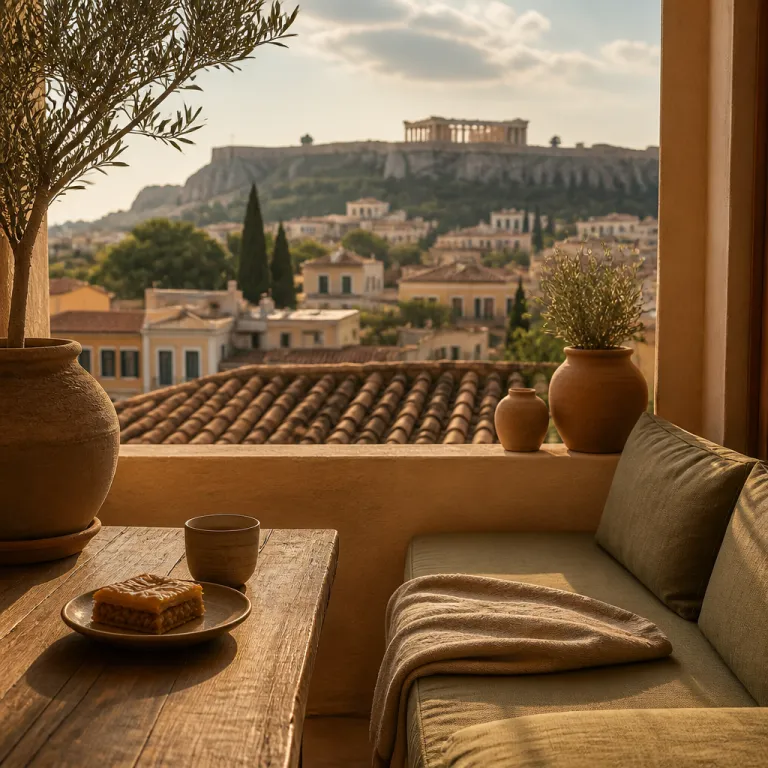
Plaka and Monastiraki: classic Athens charm in the historic center
For many travelers, the most appealing districts in Athens begin where the marble slopes of the Acropolis meet the winding lanes of Plaka. This historic neighborhood sits directly beneath the southern side of the Acropolis, placing you within a short walk of the Acropolis Museum, the ancient Agora, and some of the city’s most atmospheric streets. Stay here if you want a good balance of postcard views, walkable distances, and a lively yet human scale city rhythm.
Plaka is the oldest neighbourhood in Athens, a protected area of neoclassical mansions, tiny churches, and tavernas spilling onto every street and square. From a luxury hotel perspective, this area offers refined guesthouses and discreet five star hotel options that prioritise heritage architecture and curated interiors over high rise drama. Many properties frame partial Acropolis views from rooftop terraces, so you can enjoy an intimate Acropolis panorama while sipping a late evening drink above the historic center.
Just below Plaka lies Monastiraki, another central district that feels more energetic and urban. The famous Monastiraki square anchors the area, with the metro station, flea market, and views straight up to the Acropolis creating a constant sense of movement. Travelers who want to be near traditional markets gravitate here, as Monastiraki hosts famous traditional markets and a well known flea market that spreads across the surrounding streets.
Luxury travelers who stay in Monastiraki gain immediate access to both the ancient Agora and the more contemporary city center, with its street art, artisan shops, and rooftop hotels in Athens that specialise in dramatic Acropolis views. Monastiraki station links directly to Athens International Airport via metro line 3 in about 40 minutes, while line 1 connects you to Piraeus port in roughly 25 minutes, making luggage transfers relatively straightforward. The combined Plaka–Monastiraki area is ideal if you want to stay in the heart of the historic center while still having quick connections to Syntagma Square and the wider city. Choose this neighbourhood when you value immersion in history, easy walking routes, and a constant visual dialogue between ancient stones and modern life.
Kolonaki and Lycabettus Hill: Athenian elegance above the city center
Those seeking a more refined urban atmosphere often consider Kolonaki among the most desirable central districts in Athens for a luxury stay. This upscale neighborhood rises gently from Syntagma Square towards Lycabettus Hill, creating a sophisticated pocket of galleries, designer boutiques, and polished cafés. The area feels safe, residential, and quietly confident, which is why many seasoned travelers and business guests choose to stay here.
Kolonaki is widely regarded as one of the safest neighbourhood options in central Athens, and its grid of streets offers a good mix of embassies, private residences, and high end hotels. Here you will find several five star hotel properties with spacious suites, marble lobbies, and attentive concierges who can arrange private local guide services or curated shopping walks. Many hotel terraces in this area frame sweeping city views that stretch from the Acropolis to the distant sea, especially on the upper slopes near Lycabettus Hill.
Lycabettus Hill itself is a defining landmark for this part of the city, rising to 277 metres and offering some of the best Acropolis views anywhere in Athens. A stay in this neighbourhood allows you to reach the hill’s summit by funicular from Kolonaki in about 10 minutes or on foot in 30–40 minutes, rewarding you with a panoramic Acropolis vision that takes in the southern slopes, the historic center, and the modern city center in a single sweep. According to the Hellenic Military Geographical Service, the hill’s elevation makes it one of the highest natural viewpoints in central Athens, and after sunset the illuminated Acropolis and the Grande Bretagne hotel rooftop in Syntagma Square form a glittering axis that underlines why central Athens remains such a compelling luxury destination.
Kolonaki also works well for travelers who plan to combine Athens with wider Greek itineraries, since its location between the historic center and the main avenues makes airport and port transfers efficient. A taxi ride from Kolonaki or Syntagma Square to Athens International Airport typically takes 35–45 minutes in normal traffic, while transfers to Piraeus port usually require around 25–35 minutes. If you appreciate quiet evenings, refined dining, and the ability to step from your hotel onto a stylish street lined with galleries and wine bars, this neighbourhood should sit high on your personal shortlist. For more inspiration on urban stays with character, you can explore a detailed look at premium options in Psiri through this guide to luxury and premium hotels in the heart of Athens.
Koukaki, Thiseio, and the south Acropolis cultural corridor
Travelers who prioritise proximity to major landmarks often rate the south Acropolis belt among the most convenient areas in Athens for a first stay. Koukaki, in particular, has transformed from a quiet residential neighbourhood into a stylish area filled with cafés, wine bars, and small design focused hotels. You are a short walk from the Acropolis Museum, the pedestrian Dionysiou Areopagitou street, and the main entrance to the Acropolis itself.
Koukaki’s appeal lies in its balance of local life and visitor friendly infrastructure, with tree lined streets that feel lived in yet polished enough for discerning guests. Many hotels here are mid scale or upper mid scale rather than full five star hotel properties, but they often deliver excellent value, generous balconies, and partial Acropolis views from rooftops. This neighbourhood suits travelers who want to stay in a good location that feels authentic, with easy access to both the historic center and the more contemporary city.
Just northwest of the Acropolis, the Thiseio area offers another compelling option within central Athens. Its low rise streets frame direct views of the Parthenon, while the pedestrianised promenade links the ancient Agora, the Acropolis, and the Kerameikos archaeological site in a single scenic walk. Luxury minded guests will find a handful of intimate hotel addresses here, many with rooftop terraces that capture a particularly romantic Acropolis vision at dusk.
Choosing between Koukaki and Thiseio often comes down to whether you prefer a slightly more residential neighbourhood or one that feels closely tied to the archaeological park. Both areas connect easily to the city center and Syntagma Square by metro or taxi, and both reward unhurried evening strolls along streets filled with street art, cafés, and locals out for a walk. Acropolis and Thiseio stations sit on different metro lines, so check which one aligns better with your arrival point if you are rolling luggage. If you plan to continue your Greek journey by car, consider pairing your Athens stay with a coastal escape outlined in this Peloponnese road trip itinerary that ends at the beach.
Psiri and the creative edge of central Athens
For guests who value nightlife, gastronomy, and contemporary culture, Psiri stands out among the most characterful central neighbourhoods in Athens. This once industrial area has been revitalised into a lively quarter of bars, tavernas, and performance spaces, making it a favourite for younger travelers and creative professionals. The streets here are a canvas for street art, with large scale murals and small interventions turning almost every corner into an open air gallery.
From a luxury and premium perspective, Psiri offers a growing collection of design forward hotels that bring a fresh aesthetic to central Athens. Many of these hotels occupy restored warehouses or former workshops, blending raw materials with refined finishes to create a strong sense of place. Guests can expect rooftop terraces with city views, stylish lobbies that double as co working lounges, and personalised local guide services that highlight the neighbourhood’s independent artisans and culinary hotspots.
Psiri’s location is another major advantage, since it sits between Monastiraki, the historic center, and the broader city center. You can walk from your hotel to Monastiraki square in minutes, continue into Plaka or the ancient Agora, and still return in time for a late dinner at a contemporary Greek bistro. This proximity makes Psiri a good choice for travelers who want to stay in a neighbourhood that feels distinctly urban while remaining close to the main archaeological sites.
Noise levels can be higher here than in Kolonaki or Koukaki, especially on weekends, so guests who prioritise quiet should choose upper floor rooms or hotels on calmer side streets. That said, many premium properties in Psiri have invested in excellent soundproofing, allowing you to enjoy the area’s energy without sacrificing sleep quality. When evaluating hotels in Athens in this neighbourhood, pay attention to room orientation, window specifications, and guest reviews that mention both comfort and noise management.
Syntagma Square, Grande Bretagne, and the grand hotels of central Athens
Travelers who appreciate classic European grandeur often consider the Syntagma Square area among the most prestigious places to stay in Athens for a luxury break. This central square faces the Hellenic Parliament and anchors the city center, with major avenues radiating towards the Acropolis, Kolonaki, and the wider metropolis. Staying here places you at the heart of transport connections, high end shopping, and some of the city’s most storied hotel addresses.
The Hotel Grande Bretagne is the emblematic five star hotel on Syntagma Square, renowned for its marble interiors, refined service, and rooftop restaurant with commanding Acropolis views. From its terraces, you can enjoy a sweeping Acropolis vision that takes in the Parthenon, the southern slopes, and the wider historic center, all while remaining firmly within central Athens. Guests who choose this level of star hotel often value full service spas, concierge teams capable of arranging private museum visits, and seamless transfers to the airport or port.
Around Syntagma Square, several other luxury hotel properties offer a similar blend of convenience and comfort, with many rooms overlooking either the square itself or quieter side streets. This neighbourhood is particularly good for short stays, business trips, or first time visitors who want to minimise logistics and maximise time on the ground. From here, you can walk to Plaka, Monastiraki, the Acropolis Museum, and the main shopping streets within minutes, making it easy to experience multiple neighbourhood characters in a single day.
While the immediate Syntagma area feels more formal than Koukaki or Psiri, it still offers access to contemporary culture through nearby galleries, theatres, and occasional street art interventions on side streets. Syntagma station is also the main interchange for metro lines 2 and 3, which simplifies airport transfers and cross city journeys with luggage. When evaluating hotels in this part of the city, consider whether you prefer direct square views or quieter courtyard facing rooms, especially if you are sensitive to traffic noise. For many luxury travelers, the combination of heritage architecture, central location, and polished service makes this neighbourhood a perennial favourite.
Athens Riviera and coastal stays beyond the historic center
Not all of the most appealing areas to stay in Athens sit within walking distance of the Acropolis. The Athens Riviera, stretching along the Saronic Gulf from Palaio Faliro through Glyfada and Vouliagmeni, offers a very different style of stay. Here, the focus shifts from archaeological sites to sea views, resort facilities, and a more relaxed coastal rhythm.
Luxury hotels along the Athens Riviera often function as full service resorts, with private beaches, expansive pools, and wellness centres that rival those on the islands. Travelers who choose this area typically split their time between the city center and the coast, using taxis or private transfers to reach the historic center and the Acropolis Museum for day visits. This approach works particularly well for longer stays, where you might spend several nights in central Athens followed by a few days on the coast to unwind.
From a neighbourhood perspective, Glyfada offers a lively mix of shopping, dining, and nightlife, while Vouliagmeni feels more exclusive and residential. Both areas provide good access to marinas, coastal promenades, and sunset views that frame the city against the sea. If you are planning a wider Greek itinerary that includes island hopping or villa stays, you might find inspiration in this curated look at refined Corfu villas with sea views along the Ionian coastline, which pairs well with an Athens Riviera stay.
Choosing the Athens Riviera as your base means accepting longer transfer times to the Acropolis and central neighbourhoods such as Plaka, Monastiraki, and Kolonaki. However, for travelers who prioritise resort style amenities, sea swimming, and spacious rooms, this trade off can be worthwhile. When comparing coastal hotels near Athens, pay attention to beach quality, room orientation, and transport options, especially if you plan multiple evening visits to the historic center.
How to choose your ideal Athens neighborhood and hotel style
Selecting among the most attractive neighbourhoods in Athens ultimately comes down to your priorities, travel style, and length of stay. If this is your first visit and you have limited time, a hotel in the historic center around Plaka, Monastiraki, or Thiseio will keep you close to the Acropolis, the ancient Agora, and the main museums. Travelers who value shopping, dining, and a polished urban atmosphere may feel more at home in Kolonaki or near Syntagma Square, where the Grande Bretagne and other star hotel options set a refined tone.
Those who prefer creative energy, nightlife, and contemporary culture should consider Psiri or the fringes of the historic center, where street art, live music, and experimental gastronomy shape the neighbourhood character. Koukaki and the south Acropolis belt suit guests who want a good balance of local life and landmark proximity, with many hotels offering partial Acropolis views and easy access to the Acropolis Museum. For longer itineraries that combine city and sea, splitting your stay between central Athens and the Athens Riviera can deliver both cultural depth and coastal relaxation.
When evaluating specific hotels in Athens, focus on three practical factors alongside aesthetics. First, study maps carefully to understand the exact street and square your hotel faces, since even a short distance can change noise levels and ambience. Second, read recent guest feedback about room soundproofing, view quality, and service consistency, especially in neighbourhoods with busy nightlife such as Psiri or Monastiraki.
Third, consider your daily rhythm and mobility needs, including how often you plan to visit the Acropolis, the Acropolis Museum, and other sites in the historic center. A well chosen neighbourhood and hotel can transform your stay in Athens from a simple city break into a layered experience that connects ancient stones, contemporary culture, and refined hospitality. With around 5.5 million tourists visiting Athens annually according to the Greek National Tourism Organisation’s 2023 figures, the city’s hotel scene continues to evolve, giving luxury and premium travelers more nuanced choices than ever before.
Key figures for planning a luxury stay in Athens
- Athens welcomes around 5.5 million tourists annually, according to the Greek National Tourism Organisation’s 2023 data, which means early booking is essential for the most sought after hotels in central neighbourhoods such as Plaka, Kolonaki, and around Syntagma Square.
- The average summer temperature in Athens reaches approximately 33 °C, based on 1991–2020 climate normals from the Hellenic National Meteorological Service, so travelers staying near the Acropolis or in the historic center should plan for midday breaks and prioritise hotels with efficient air conditioning and shaded terraces.
- Walking remains the most effective way to experience the historic center, so comfortable shoes are strongly recommended, especially if your stay focuses on neighbourhoods like Koukaki, Thiseio, and Monastiraki where cobbled streets and pedestrian promenades are common.
- With increased interest in local experiences and culinary tourism, demand for smaller design focused hotels in areas such as Psiri and Koukaki has risen steadily, encouraging travelers to secure reservations well in advance during peak months.
- Safety perceptions vary by neighbourhood, and Kolonaki is considered one of the safest areas for evening walks, making it a strong option for solo travelers and guests who enjoy late dinners and gallery visits.
Frequently asked questions about Athens neighborhoods and luxury stays
What is the safest neighborhood in Athens for a luxury stay ?
Kolonaki is considered one of the safest areas, thanks to its mix of embassies, upscale residences, and consistent police presence. The neighbourhood’s streets remain active into the evening with café culture rather than loud nightlife, which many luxury travelers appreciate. Choosing a hotel here provides both security and easy access to Lycabettus Hill, Syntagma Square, and the wider city center.
Which neighborhood is best for nightlife close to the historic center ?
Psiri is renowned for its vibrant nightlife, with a dense concentration of bars, tavernas, and live music venues within walking distance of Monastiraki and the ancient Agora. Travelers who stay in this neighbourhood enjoy quick access to both the Acropolis area by day and a lively social scene by night. When booking a hotel in Psiri, look for properties with strong soundproofing and upper floor rooms to balance energy with rest.
Where should I stay if I want to be near traditional markets ?
Monastiraki hosts famous traditional markets, including the well known flea market that spreads across the streets around Monastiraki square. A hotel in this neighbourhood or nearby Plaka allows you to explore stalls selling antiques, textiles, and local crafts within minutes of leaving your lobby. This area also connects easily to the historic center, the Acropolis Museum, and other key sites, making it ideal for short city breaks.
Is it better to stay near the Acropolis or on the Athens Riviera ?
Staying near the Acropolis in neighbourhoods such as Plaka, Koukaki, or Thiseio is best if your priority is sightseeing and walking access to the main archaeological sites. The Athens Riviera suits travelers who prefer resort style amenities, sea swimming, and larger rooms, accepting longer transfers into the city center for cultural visits. Many luxury guests choose to split their itinerary, spending a few nights in central Athens followed by a coastal stay for relaxation.
How many days should I plan for a luxury stay in Athens ?
A minimum of two nights allows you to see the Acropolis, the Acropolis Museum, and the main highlights of the historic center, but three to four nights provide a more relaxed pace. With extra time, you can explore multiple neighbourhoods such as Kolonaki, Psiri, and Koukaki, enjoy fine dining, and perhaps add a day trip along the Athens Riviera. Longer stays also make it easier to manage the summer heat, scheduling indoor museum visits during the hottest hours and evening walks when the city cools.
