City Centre and Aristotelous Square: where to stay in Thessaloniki if you want it all
When people ask where to stay in Greece for a first urban stop, I often suggest Thessaloniki’s City Centre before Athens. The compact grid around Aristotelous Square concentrates grand hotels, serious gastronomy and easy access to the waterfront, which makes a short stay feel wonderfully dense and walkable. For many guests, this is the district that quietly rewrites their thought of what a Greek city break can be.
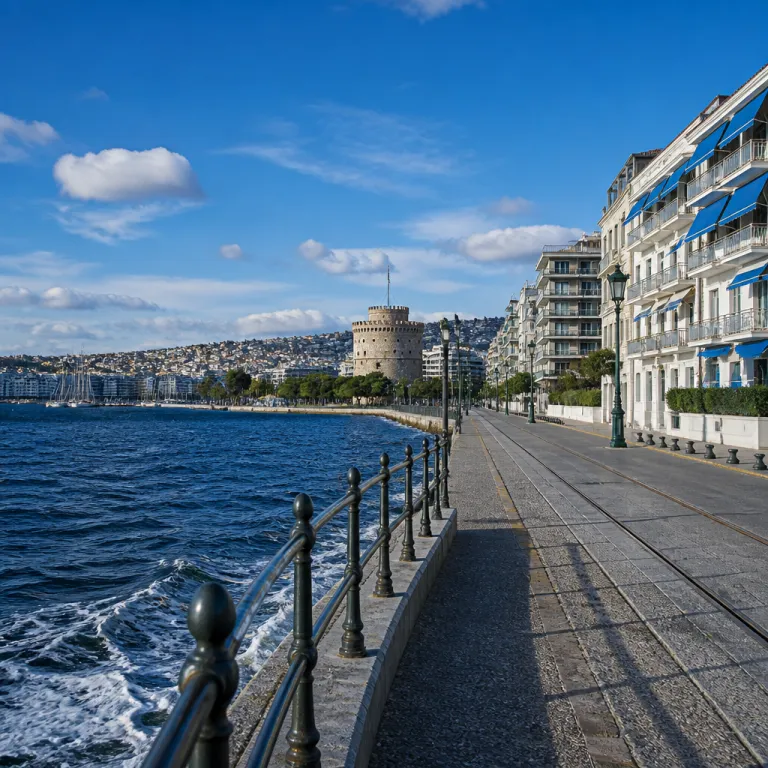
Aristotelous Square itself is the postcard answer to where to stay in Thessaloniki, with neoclassical façades, arcades and uninterrupted sea views across the Thermaic Gulf. Luxury hotels here usually offer large rooms, polished staff and a level of service that rivals the best hotels Greece has in larger capitals, while remaining more relaxed and less formal. You are a five minute walk from the Modiano food market, the airport bus stop on Egnatia and the White Tower promenade, so every night can end with a gentle stroll under the city lights.
For premium family travellers wondering where to stay in Greece for a first taste of the north, the City Centre balances culture and comfort. High floor suites often frame the Aegean Sea in wide windows, while connecting rooms give each guest enough private space to unwind after a long day. If you prefer concrete logistics, look for properties that offer late check out, on site parking and flexible breakfast hours, as these details keep a multi generational stay running smoothly.
Official guidance from the Thessaloniki Tourism Organization underlines this central advantage; as they put it, "The City Center offers proximity to key historical landmarks." That proximity matters when you are planning a three or four night stay and want to fit in the Rotunda, the Roman Forum and the waterfront without rushing. For travellers comparing Thessaloniki to a Greek island or to Athens, this walkable density is often the deciding factor in choosing where to stay in northern Greece.
Ladadika: dining quarter with character for food focused stays
If your first question is where to stay in Greece for late dinners and lively streets, Ladadika is your neighbourhood. The former olive oil warehouses now house tavernas, wine bars and small hotels, all wrapped in cobblestoned lanes that stay animated well into the night. It is a wonderful base for guests who want to taste the city’s street food culture between bougatsa, koulouri and grilled octopus without ever calling a taxi.
From a luxury perspective, Ladadika is less about marble lobbies and more about atmosphere, yet several premium hotels have invested in high speed Wi Fi, refined suites and attentive staff. Many properties sit within a three minute walk of the waterfront, so you can step from a quiet room to the Aegean sea breeze in moments, which is especially appealing after a summer night of meze and wine. If you are sensitive to noise, request a higher floor or a courtyard facing room when you book, as weekend evenings can be particularly lively.
When you compare where to stay options in Ladadika versus the City Centre, think about your priorities. City Centre hotels Greece style tend to offer larger lobbies, more formal service and easier access to museums, while Ladadika hotels lean into characterful interiors and restaurant filled streets. For many previous guests, the sweet spot is a stay in Greece itinerary that starts with two nights in Ladadika before moving to a resort on the Ionian Islands or the green hills of central Greece.
Timing also shapes how you experience this quarter, especially if you are pairing Thessaloniki with the Greek islands. For travellers planning shoulder season trips, a detailed guide to late April Greek island escapes helps you decide whether to front load your nights in the city or end here after the islands. Either way, Ladadika answers the where to stay in Greece question for food lovers who want to walk from breakfast to dinner through streets that still feel lived in by locals.
Waterfront and Nikis Avenue: sea views and evening promenades
Travellers who instinctively look for an island often overlook that Thessaloniki has its own maritime rhythm, especially along Nikis Avenue. This waterfront strip runs parallel to the Aegean Sea and offers uninterrupted sea views, cafés and hotels that feel almost resort like during golden hour. If you are debating where to stay in Greece for a first trip with children, this promenade can be more manageable than a remote Greek island.
The 3.5 kilometre Nea Paralia promenade begins near the White Tower and stretches east, lined with playgrounds, public art and pockets of green hills style landscaping. Many hotels along or just behind Nikis Avenue offer balconies, so each guest can watch the ferries and fishing boats glide past at night, which brings a sense of calm that rivals quieter islands. Families appreciate that the area remains flat and stroller friendly, while couples enjoy the romantic atmosphere that feels almost like a city sized suites isle facing the water.
From a luxury standpoint, the waterfront is where to stay in Greece if you want a city break with a resort edge. Some properties feature a small rooftop swimming pool, private terraces and refined suites, which allow guests stay patterns that alternate between cultural visits and slow afternoons by the water. When you compare hotels, check whether the pool is seasonal, whether sea view rooms guarantee a balcony and how far the property sits from the main promenade.
The city’s growing gastronomic reputation also plays out strongly along the waterfront, with several fine dining addresses now recognised by international guides. A detailed look at how the Michelin Guide in Thessaloniki is reshaping expectations shows why serious food travellers choose to stay near Nikis Avenue. When you can walk from your hotel to a tasting menu, then stroll the promenade under the lights, the answer to where to stay for a refined urban stay in Greece experience becomes very clear.
Ano Poli and the Upper Town: romantic heights and heritage walls
High above the commercial streets, Ano Poli offers a different answer to where to stay in Greece in Thessaloniki. The Upper Town survived the great fire that reshaped the lower city, so its lanes still weave between Ottoman houses, Byzantine walls and small squares scented with jasmine. For guests who usually gravitate to quiet Greek island villages, this neighbourhood feels instantly familiar.
Accommodation here ranges from restored townhouses to small luxury focused hotels, many with terraces that frame the Aegean Sea and the distant outlines of Greek islands on a clear day. The climb up from the centre takes about fifteen to twenty minutes on foot, or a short taxi ride, but previous guests say the reward is a sense of retreat that is rare in a city of this size. Families often choose Ano Poli when they want children to experience history at their doorstep, with the Byzantine walls just a minute walk from many front doors.
When you weigh where to stay options between Ano Poli and the waterfront, think about your daily rhythm. If you like to start the night with a quiet drink under the stars, then walk down for dinner, the Upper Town suits that pattern beautifully, while the waterfront suits those who prefer to step straight from hotel lobby to promenade. Guests who stay here often pair a three night Upper Town base with a longer stay on a Greek island such as Paros, using Thessaloniki as their cultural anchor in northern Greece.
For premium family travellers, Ano Poli’s quieter streets and limited traffic can feel safer than busier central Greece style boulevards. Many properties offer family suites, small gardens and private corners where each guest can read or rest after a day of museums and markets. If your thought of where to stay in Greece includes romance, history and a slower pace, this hilltop quarter deserves serious consideration.
Thessaloniki as a gateway: pairing the city with beaches and islands
Thessaloniki Airport (SKG) now connects directly with many European cities, which changes the calculus of where to stay in Greece for a combined city and sea itinerary. Instead of flying into Athens and backtracking, travellers can land here, spend three or four nights in the city, then drive about forty five minutes to the sandy beaches of Halkidiki. This pattern works especially well for families who want both culture and easy swimming without multiple domestic flights.
From Thessaloniki, you can reach the first peninsula of Halkidiki in under an hour in normal traffic, where shallow waters and long sandy beaches suit younger guests. Many luxury resorts here echo the comforts of the best hotels Greece offers on the Ionian Islands or in Paros, with large swimming pool complexes, kids’ clubs and attentive staff. A detailed report on how a major opening in western Crete is reshaping expectations, such as the analysis of new luxury bets in Crete, shows how the country’s resort scene is evolving in parallel with Thessaloniki’s urban hotels.
For travellers who usually default to a Greek island like Paros or the Ionian Islands, Thessaloniki offers a different kind of waterfront life. You trade sandy beaches at your doorstep for sea views from your balcony, street food instead of resort buffets and archaeological museums instead of beach clubs, yet the overall stay in Greece experience remains resolutely coastal. Previous guests often report that this combination of city and sea makes their thought of where to stay in Greece more nuanced for future trips.
Thessaloniki also works as a cultural stopover on longer itineraries that link central Greece, the Aegean Sea and the northern mainland. You might spend three nights near Aristotelous Square, then fly to a Greek island, then return via Thessaloniki for a final night before heading home, which keeps airport transfers efficient. For premium families, this structure answers the where to stay in Greece question with a layered journey rather than a single destination.
How many nights, which neighbourhood and what type of luxury
For a first visit, plan at least three to four nights in Thessaloniki, regardless of where to stay in Greece within the city. That duration allows one full day for museums and monuments, one for markets and waterfront walks, and one for a day trip to nearby sandy beaches or vineyards. Anything shorter risks turning the city into a rushed layover rather than a meaningful stay.
Choosing between neighbourhoods depends on how you like to move through a place and what you expect from luxury. City Centre and Aristotelous Square suit travellers who want classic hotels, polished staff and immediate access to shops and cultural sites, while Ladadika suits those who prioritise dining and nightlife. The waterfront along Nikis Avenue appeals to guests who value sea views and evening promenades, whereas Ano Poli suits travellers who prefer heritage architecture, quiet nights and a village like atmosphere within Greece’s second city.
Within each area, the spectrum of hotels Greece offers runs from discreet luxury to more design forward properties, though you should be aware that marketing language sometimes still uses the term boutique hotel or boutique hotels. For the premium family segment, focus on interconnecting rooms, reliable high speed Wi Fi, thoughtful kids’ amenities and a swimming pool if you plan a summer stay, as these details shape how comfortably guests stay over several nights. Reading feedback from previous guests will also help you understand how each hotel handles practicalities such as parking, late check out and early breakfast for flights.
As Thessaloniki’s tourism ecosystem matures, the city is seeing increased interest in smaller scale luxury properties and eco conscious renovations. Local hotels work closely with the Thessaloniki Tourism Organization, tour operators and cultural organisations to refine experiences, from guided walks along the Byzantine walls to curated food tours through Modiano market. For travellers asking where to stay in Greece for a first northern city experience, this collaborative energy translates into more nuanced, guest centred stays across all four main neighbourhoods.
Key figures that shape your Thessaloniki stay
- Thessaloniki is estimated to welcome around 3,000,000 visitors each year, according to summaries often cited by the Thessaloniki Tourism Organization, which keeps the city lively without the intense crowding seen on some Greek islands during peak season.
- Recent summaries from the Thessaloniki Hotels Association suggest that the average hotel occupancy rate in Thessaloniki has hovered near 70–75 percent in recent years, so booking your preferred hotel several weeks ahead is wise, especially for three or four night stays.
- The Nea Paralia waterfront promenade stretches roughly 3.5 kilometres from the White Tower eastwards, giving guests an extended, traffic free route for evening walks with uninterrupted sea views.
- Halkidiki’s first beaches lie at an approximate driving time of 45 minutes from Thessaloniki in typical conditions, which makes a combined city and beach itinerary practical even for shorter trips of five to seven nights in northern Greece.
- Thessaloniki’s compact City Centre means many key sites, including Aristotelous Square, Modiano market and the waterfront, sit within about a ten to fifteen minute walk of most central hotels.
Frequently asked questions about where to stay in Thessaloniki
How many nights should first time visitors spend in Thessaloniki ?
First time visitors should plan a minimum of three to four nights in Thessaloniki to experience its museums, markets, waterfront and food scene without rushing. This length of stay also leaves room for a half day trip to nearby sandy beaches or vineyards. Anything shorter tends to reduce the city to a transit stop rather than a destination in its own right.
Which neighbourhood is best for nightlife and dining ?
Ladadika is widely regarded as the best neighbourhood for nightlife and dining, thanks to its concentration of tavernas, bars and restaurants in a pedestrian friendly grid of streets. The Thessaloniki Tourism Organization notes that "Ladadika is renowned for its vibrant nightlife and dining options." Staying here suits travellers who want to walk from their hotel to dinner and back late at night without using taxis.
What is the most convenient area for historical and cultural sites ?
The City Centre around Aristotelous Square is the most convenient area for historical and cultural sites, with easy access to the Roman Forum, the Rotunda and several major museums. Many hotels in this district sit within a short walk of key landmarks, which simplifies planning for families and first time visitors. This central location also offers quick connections to the waterfront and to Ano Poli by taxi or bus.
Are there family friendly neighbourhoods in Thessaloniki ?
Ano Poli and the waterfront around Nikis Avenue are particularly family friendly, each in a different way. Ano Poli offers quieter streets, limited traffic and a village like atmosphere near the Byzantine walls, while the waterfront provides flat promenades, playgrounds and easy stroller access. The Thessaloniki Tourism Organization highlights that "Ano Poli provides a quieter environment suitable for families," which aligns with feedback from many previous guests.
Is Thessaloniki a good base for visiting nearby beaches ?
Thessaloniki is an excellent base for visiting nearby beaches, especially in Halkidiki, which begins at an estimated 45 minute drive away by car. Many travellers split their stay between a central hotel in the city and a resort on the coast, using Thessaloniki for culture, dining and shopping. This combination works well for premium families who want both urban comforts and easy access to sandy beaches without multiple domestic flights.