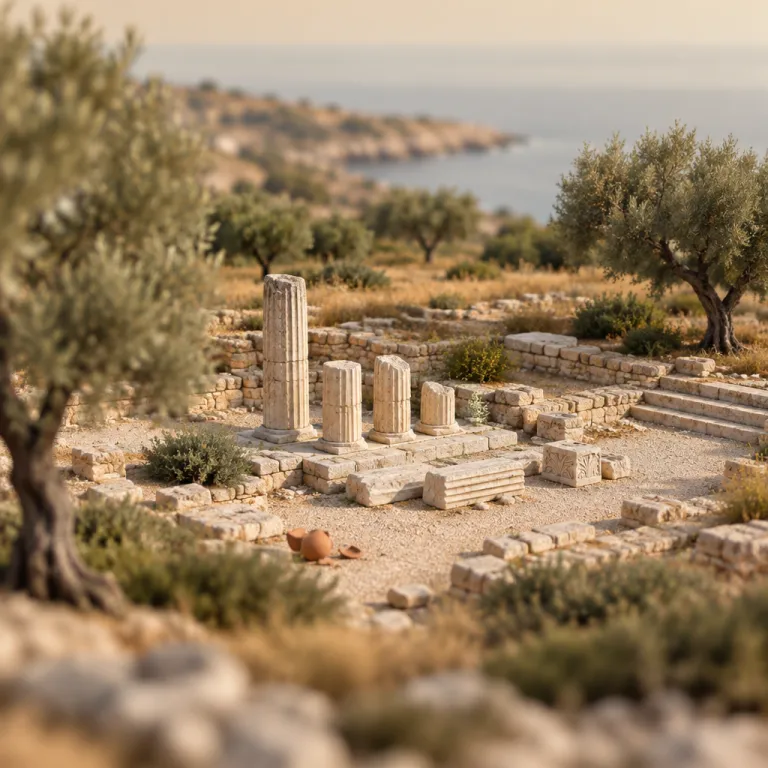
Why archaeological sites in Greece off the beaten path matter for luxury travelers
Most itineraries in Greece orbit Athens, the Acropolis and the Acropolis Museum, yet the country’s quieter archaeological sites reward a different kind of luxury. When you step away from the crowds and follow archaeological sites in Greece off the beaten path, you trade queues and noise for stillness, long shadows and the sense that ancient Greeks are still whispering in the stones. This slower rhythm suits the solo explorer who values time, space and thoughtful travel over a packed tour schedule.
Specialist travel writers and archaeologists who focus on Greek history and culture have spent years tracing ancient Greece beyond the headline ruins, often collaborating with local historians and archaeological societies to map lesser known sites. Their work, alongside resources from the Hellenic Ministry of Culture and Sports, underlines a simple truth for anyone planning a premium trip: the most memorable ancient ruins are often the ones without a ticket office line or a souvenir stall. That aligns with a growing interest in sustainable travel stories, where choosing a quieter archaeological site helps spread visitor impact across regions in Greece.
For luxury and premium hotel guests, these hidden gems pair beautifully with high-end stays on each Greek island or mainland coast. You might spend the day at an archaeological museum or wandering a forgotten stadium, then return to a suite with a caldera view or a stone-walled room above an olive grove. This contrast between ancient Greek history and contemporary comfort is where mygreecestay.com comes in, curating properties that make it easy to explore Greece in depth while still sleeping in crisp linen and swimming in infinity pools.
Vergina and Ancient Messene: royal tombs, empty stadiums and refined bases
Vergina sits in the Macedonian plain, a quiet town sheltering one of the most important archaeological sites in Greece off the beaten path. Beneath its low hills lie the royal tombs of Philip II, father of Alexander the Great, preserved in a darkened archaeological museum where gold wreaths and painted friezes glow like they were crafted yesterday. Many travelers rush from Athens to Thessaloniki without a break here, yet a half-day visit with a licensed local guide turns the story of ancient Macedon from textbook history into something intensely human.
The national archaeological authorities have kept the tumulus museum atmospheric rather than flashy, and entrance fees remain modest compared with the Acropolis or the Palace of Knossos. As the official Hellenic Ministry of Culture notes in its site descriptions, nearby locations such as Kassope, Nikopolis and Ancient Messene are notable for their scale and preservation. That simple observation captures how these places, though less known than the Panathenaic Stadium or the Ancient Agora, offer a deeper sense of ancient Greeks going about their daily lives.
Ancient Messene, in the southwest Peloponnese, may be the finest archaeological site you can visit almost alone today. You walk through a vast stadium, intact city walls and an elegant agora, often sharing the ancient ruins with only cicadas and the occasional archaeologist on a break. Base yourself in a discreet luxury retreat near Kalamata or Pylos, then fold Messene into a multi-day trip that might also include Mystras or a coastal Greek island hop using a route such as this two week island hopping itinerary that skips the obvious route. For current opening hours, indicative ticket prices and contact details for local guides, check the Hellenic Ministry of Culture website or the regional tourism office before you travel, as details change from season to season.
Mystras and Pavlopetri: Byzantine ghosts and an underwater city
Mystras rises above the Laconian plain like a stone mirage, a tiered archaeological site where ruined palaces and frescoed churches cling to a steep hillside. Once the Byzantine capital of the Morea, it now offers one of the most atmospheric archaeological sites in Greece off the beaten path, especially if you arrive early in the day before the sun hardens the light. The climb between the lower gate and the fortress takes about forty-five minutes for a reasonably fit visitor, so a light breakfast at your hotel and plenty of water are wise.
From a luxury base in nearby Sparta or in a coastal hideaway on the Mani peninsula, you can pair Mystras with Pavlopetri, the submerged city off Laconia’s coast. This ancient Greek settlement lies just offshore in shallow water, and while it is a protected archaeological site, you can still float above its street grid with a mask and snorkel, tracing foundations that predate many famous ruins in Athens. It is one of those hidden gems where the boundary between museum and sea dissolves, and where your travel stories gain a saltwater edge.
Solo travelers with a taste for understated comfort might choose a design-forward hotel near Elafonisos, using it as a base for a day trip that combines a morning swim over Pavlopetri with an afternoon visit to Mystras. The contrast between underwater stones and hilltop churches makes the history of Greece feel layered rather than linear, more like the Greek islands themselves than a single narrative. When you return to your room, the luxury is not only the quality of the linens but the sense that you have touched ancient Greece in a way that mass-market tours never quite manage. For practical planning, allow around one hour’s drive between Sparta and the coast, and confirm local regulations on swimming over Pavlopetri with the port authority or your hotel concierge.
Akrotiri and Santorini: beyond the caldera view
Most travelers arrive in Santorini thinking of sunsets, yet the island holds one of the most revealing archaeological sites in Greece off the beaten path. Akrotiri, often called the Pompeii of the Aegean, is a Bronze Age town entombed in volcanic ash, preserved under a sleek shelter that feels more like a contemporary gallery than a dig. Walking its streets with a local guide, you see multi-storey houses, drainage systems and wall paintings that challenge clichés about ancient Greeks as simple farmers.
Staying in a luxury hotel on the caldera rim lets you balance the island’s glamorous side with its deeper history. You might spend one day drifting between pool and terrace, then the next morning visit Akrotiri before the cruise ship buses arrive, followed by a quiet hour in the small archaeological museum in Fira. For those who want to explore Greece through wellness as well as history, properties highlighted in this guide to wellness hotels that go beyond the standard spa menu pair beautifully with a reflective afternoon among the ruins.
Akrotiri also reframes how you think about the Palace of Knossos and other Minoan sites across the Greek islands, showing a networked civilization rather than isolated settlements. When you look from your balcony across the flooded caldera, it is hard not to imagine the eruption that ended this world and reshaped the history of Greece. That tension between fragility and endurance is what makes a Santorini break more than a postcard, especially for solo travelers who like their luxury with a side of ancient ruins and thoughtful silence. Before visiting, consult the official Akrotiri site listing for seasonal hours and current ticket prices, as these can shift between winter and peak summer.
Designing a luxury itinerary around Greece’s quieter ruins
Planning an itinerary around archaeological sites in Greece off the beaten path starts with accepting that you cannot see everything, even in a month. Choose two or three regions, then anchor each around one major archaeological site and a cluster of smaller ruins, museums and villages that reward slow days. For example, pair Vergina with the Archaeological Museum of Thessaloniki, or Ancient Messene with a coastal Greek island excursion from the Peloponnese.
Solo travelers often underestimate how much time they will want to linger at an archaeological museum or in a half-empty stadium. Build in unscheduled afternoons where you can return to a favorite archaeological site, or simply sit in a café and write travel stories while the day cools. Luxury here is the freedom to change your mind, not a rigid tour timetable that marches you from the Panathenaic Stadium to the Temple of Apollo and back to Athens in a single blur.
When choosing hotels, look for properties that understand why you are there: staff who can arrange a local guide, suggest a lesser known archaeological site or advise on the best time to visit the Acropolis or Ancient Agora if you still want the classics. A refined base on a quiet Greek island, or a townhouse hotel near the old center of Athens, lets you explore Greece by day and retreat into comfort at night. The result is a trip that feels both curated and open ended, where ancient Greece is not a checklist but a companion. For route planning, use driving times from reputable map services and cross-check with your hotel or a licensed Greek travel agent, especially if you are visiting in high season.
Practical tips for solo explorers seeking Greece’s hidden heritage
Reaching archaeological sites in Greece off the beaten path usually means renting a car or arranging private transfers through your hotel. Distances are modest in European terms, yet road time adds up, so think in terms of regions rather than trying to cross from one Greek island to another every day. Many of these sites, from Ancient Messene to smaller sanctuaries, have minimal shade, so an early start and a long lunch break are part of the rhythm.
Entrance fees remain relatively gentle compared with headline monuments such as the Acropolis or the Acropolis Museum, with some sites free and others costing less than a typical Athens cocktail. That makes it easy to justify hiring a local guide for a few hours, especially at complex places where layers of history overlap. Respect for preservation rules is non-negotiable: stay on marked paths, avoid touching fragile stones and remember that every stadium, Temple of Apollo remnant or line of ruins is finite.
For solo travelers, safety at these archaeological sites is generally excellent today, though you should still share your plans with your hotel and carry water, sun protection and offline maps. Many visitors combine a few days in Athens, ticking off the Panathenaic Stadium, National Archaeological Museum and a classic Acropolis tour, with a longer break in regions like the Peloponnese or northern Greece. That blend of iconic sites and quieter corners ensures your trip feels both grounded in familiar history and enriched by hidden gems that most visitors never reach. For the latest practical information, consult official tourism portals, museum pages or local tourist information offices once you arrive.
FAQ
Why should I visit lesser known archaeological sites in Greece instead of only the classics ?
Lesser known archaeological sites in Greece off the beaten path offer space, silence and a more intimate sense of ancient Greece than crowded landmarks. You can often walk through ancient ruins such as Ancient Messene or Mystras almost alone, which changes how you connect with the history. These visits also support sustainable travel by spreading tourism beyond Athens and Santorini.
How can I reach sites like Ancient Messene, Vergina or Mystras without joining a group tour ?
Most of these archaeological sites are accessible by car, so renting a vehicle or arranging a private driver through your hotel is the most flexible option. Many are within a half-day drive of major hubs in Greece, allowing easy day trips or relaxed overnight stays. Local guide services are available in nearby towns if you want expert context without a large group.
Are these quieter archaeological sites suitable for solo travelers ?
Yes, solo travelers often find archaeological sites in Greece off the beaten path especially rewarding because they allow unhurried exploration. Safety levels are generally high, and staff at ticket offices or small museums are used to independent visitors. Choosing a well located luxury hotel as a base adds an extra layer of comfort when returning from remote ruins.
How much do off the beaten path archaeological sites cost compared with the Acropolis ?
Entrance fees at lesser known archaeological sites usually range from free to a modest ticket, often significantly less than the Acropolis or Acropolis Museum. For example, Ancient Messene has historically offered free or low-cost entry on selected days, while sites like Vergina remain affordable. This pricing makes it easier to allocate budget toward premium accommodation or a private tour with a local guide.
Can I combine famous landmarks with hidden archaeological sites in one itinerary ?
Combining iconic places such as the Acropolis, Panathenaic Stadium and Ancient Agora with quieter archaeological sites is not only possible but highly recommended. A balanced itinerary might start with two or three days in Athens, then continue to regions like the Peloponnese, northern Greece or a less visited Greek island. This mix delivers both the must-see highlights and the deeper, more reflective experiences that define a sophisticated cultural trip.