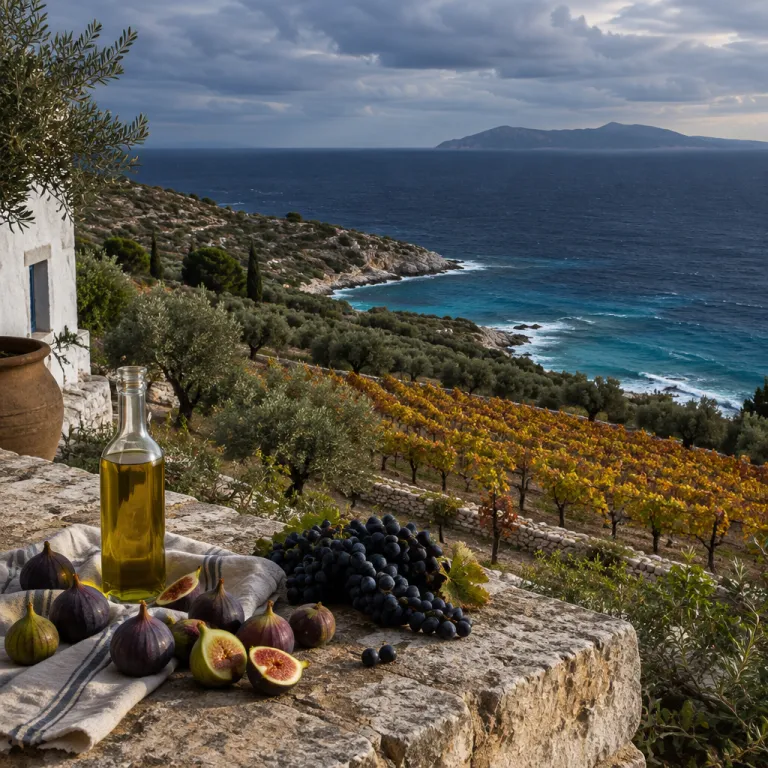
Why greece autumn food belongs on your luxury travel radar
Greece in autumn feels quieter, softer, and made for the table. This is when greece autumn food steps away from beach taverna clichés and leans into slow cooked warmth, rich seasonal ingredients, and the kind of greek comfort that suits long dinners under vine leaves. For couples booking luxury stays, the shift from high summer to greek autumn brings better service, deeper flavors, and a sense that greek cuisine is finally cooking for locals again, not only for the crowds.
The autumn larder in greece is generous ; figs, late grapes, wild greens, pulses, and game all appear beside first press extra virgin olive oil from early harvests. In the best greek hotels, chefs treat this olive oil as a leading ingredient, not a garnish, using it to finish creamy soup, drizzle over a greek salad, or enrich a slow cooked autumn dish built around beans and bay leaves. When you see menus talking about virgin olive from a named grove, herbs spices from nearby hills, and quality ingredients sourced from small farms, you are looking at the real heart of greek food in this season.
For a luxury traveler, this is the perfect autumn window to trade crowded islands for quieter, more traditional greek regions. Mainland estates in the Peloponnese, Epirus, and northern greece lean into hearty autumn dishes, pairing game or lamb with fresh herbs, olive and feta, while island kitchens finally have time to cook the greek recipes they love. A smart strategy is to choose properties where the chef is on site year round, because those kitchens usually follow seasonal ingredients closely and treat greece autumn food as a living calendar, not a marketing slogan.
From islands to mainland: how greek autumn changes the menu
Once the last sun lounger is stacked away, island kitchens in greece relax into their own rhythm. Chefs who spent summer plating the same grilled fish begin to serve slow cooked stews, bean soup perfumed with bay leaves, and autumn dishes built around pulses, wild greens, and late harvest vegetables. This is when greece autumn food becomes more comforting, more traditional, and frankly more interesting for travelers who care about greek cuisine.
On the islands, look for small luxury properties where the owner still walks the fields and talks about seasonal ingredients with the same pride as the sea view. Menus shift from light, fresh plates to hearty greek dishes such as creamy chickpea soup with extra virgin olive oil, or a rich lamb dish cooked in greek style with herbs spices, olive, and feta baked until sweet at the edges. Many of these kitchens use their own virgin olive, and the best greek teams treat that olive oil as a signature, explaining which grove it came from and how it shapes each traditional dish.
Mainland hotels respond differently to greek autumn, especially in wine regions and mountain areas of greece where evenings turn cool. Here, greece autumn food leans into game, mushrooms, and slow cooked meat, often paired with local reds from the September harvest and served beside a fire that feels perfect after a day in the vineyards. If you want to go deeper into the harvest mood, consider a stay on a country estate where luxury meets the land and the kitchen builds its greek recipes around what the farm pulls from the soil each week ; guides like harvest season farm stays in the Peloponnese can help you pinpoint properties that take this seriously.
Wine harvests, first-press oil and the quiet freedom of off-peak kitchens
September and October bring the grape harvest across much of greece, and that changes the way luxury hotels think about the table. In regions like Nemea, Naoussa, and Santorini, greece autumn food is inseparable from wine ; chefs build autumn dishes around pairings, from hearty meat stews to sweet grape must desserts that echo the vineyards outside. For couples, this is the perfect autumn moment to book tasting menus that move from crisp whites with fresh greek salad to structured reds beside slow cooked lamb or game, all anchored by greek cuisine that respects quality ingredients.
Off peak, chefs in both city hotels and island retreats gain a freedom they rarely enjoy in high season. With fewer covers, they can experiment with traditional greek recipes, play with herbs spices, and give time to a soup or creamy sauce that needs slow attention, not rushed service. Many of the most interesting kitchens now sit in the grey zone between taverna and fine dining, part of a broader greek food movement where a chef might serve a rich bean dish with extra virgin olive oil beside a plate that feels almost French in its precision ; for a deeper look at this shift, explore the new wave of gastro tavernas in Greece that blend chef technique with yiayia wisdom.
Olive harvest follows close behind the grapes, and this is where greece autumn food becomes almost a forum for local pride. Hotels in olive growing regions of greece often host tastings of first press virgin olive and extra virgin olive oil, inviting guests to compare fruity, peppery, and sweet styles while nibbling on fresh bread, feta, and small greek dishes. When you see a menu highlighting new season olive oil, bay leaves from the garden, and seasonal ingredients like wild greens or figs, you know the kitchen is cooking in true greek style rather than repeating a generic resort script.
How to book hotels that cook the season, not the brochure
Choosing the right property is the difference between generic buffets and a stay where greece autumn food becomes part of your memories. Start by reading menus carefully ; look for mentions of seasonal ingredients, traditional greek recipes, and specific references to olive oil from a named region or estate. When a hotel speaks openly about its suppliers, its herbs garden, or its own virgin olive, it usually means the kitchen treats greek cuisine as a craft, not a backdrop.
For couples planning a romantic escape, prioritize smaller luxury properties in greece where the chef is visible and the dining room feels intimate rather than anonymous. Ask in advance whether the kitchen offers autumn dishes built around slow cooked meats, hearty soup, or creamy bean stews, and whether they can arrange tastings of first press extra virgin olive oil or local wines from the recent harvest. Many of the best greek hotels will happily tailor a menu that moves from fresh greek salad with feta and herbs to a rich main dish and a sweet finish based on figs or grapes, turning dinner into a quiet masterclass in greek food.
Think of your stay as a living forum between guest and kitchen, where you can ask about herbs spices, bay leaves, and the story behind each dish. When a chef explains why this is the perfect autumn for wild greens, or how their grandmother cooked a particular soup in traditional greek style, you feel the depth of greek comfort that only appears once the crowds leave. If you want to go even further into the seasonal rhythm of greece, look for properties that align with the country estate ethos highlighted in harvest focused guides, where quality ingredients, extra virgin olive oil, and thoughtful greek dishes are woven into every part of the stay, from breakfast to the last sweet bite at night.
FAQ
Is autumn a good season for food focused travel in greece ?
Autumn is arguably the best season for food focused travel in greece because the harvest calendar peaks and kitchens cook more for locals than for tourists. You will find greece autumn food built around grapes, figs, wild greens, pulses, and first press olive oil, often prepared in slow cooked, traditional greek style. Luxury hotels are quieter, service is more attentive, and chefs have time to create hearty, comforting dishes that showcase greek cuisine at its most authentic.
What types of dishes can I expect from greek autumn menus ?
Greek autumn menus usually feature hearty soups, creamy bean stews, slow cooked lamb or game, and rich vegetable dishes based on seasonal ingredients like wild greens and late tomatoes. You will often see greek dishes finished with extra virgin olive oil, bay leaves, and fresh herbs, plus sweet endings built around figs, grapes, or grape must. Expect a balance between traditional greek comfort food and more refined plates, especially in luxury hotels that take their kitchens seriously.
Which regions of greece are best for autumn food and wine ?
Wine regions such as Nemea and Naoussa, along with Santorini and parts of Crete, are excellent for pairing greece autumn food with local wines from the recent harvest. The Peloponnese and Epirus offer strong autumn dishes based on game, mushrooms, and pulses, often served in mountain or country estate settings. Islands with a strong agricultural base, like Crete and Naxos, also shine in greek autumn thanks to their quality ingredients and deep rooted food traditions.
How can I tell if a hotel really focuses on seasonal greek cuisine ?
A hotel that truly focuses on seasonal greek cuisine will highlight its suppliers, talk about seasonal ingredients on the menu, and often mention its own olive groves or herb gardens. Look for references to first press virgin olive or extra virgin olive oil, wild greens, and specific autumn dishes rather than generic international options. You can also email the property to ask about greece autumn food offerings, tasting menus, or harvest related experiences ; detailed, enthusiastic replies are a strong sign that the kitchen is serious.
Are vegetarian travelers well served by greece autumn food ?
Vegetarian travelers are very well served by greece autumn food because many traditional greek recipes are plant based. Expect hearty bean soup, creamy lentil dishes, wild greens sautéed in olive oil, and rich vegetable stews, all seasoned with herbs spices and finished with extra virgin olive oil. A well run luxury hotel in greece will usually adapt menus easily, offering both fresh greek salad and more elaborate vegetarian greek dishes that feel comforting and complete.