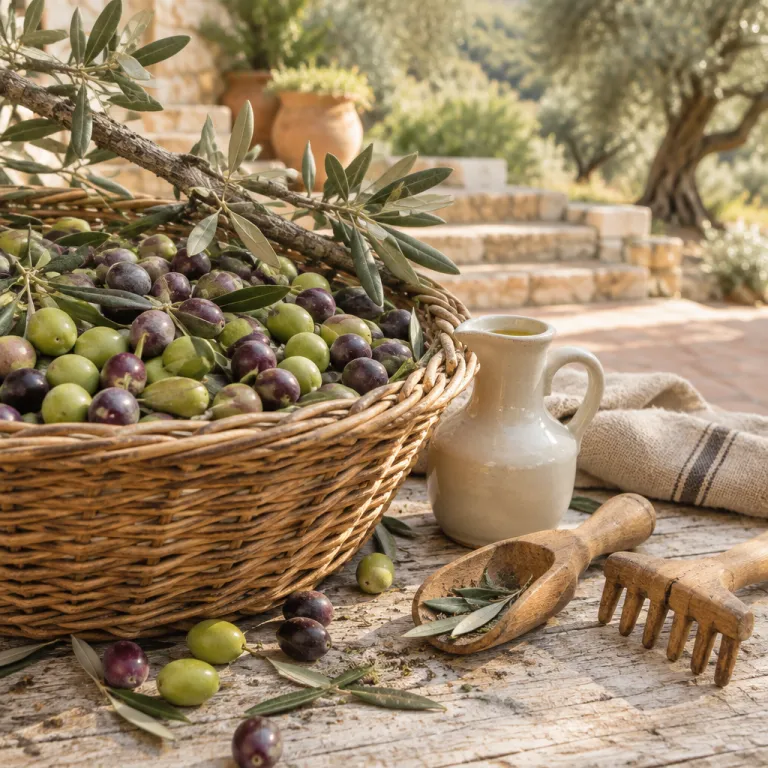
Olive harvest farm stay Greece: when luxury means rolling up your sleeves
From October, an olive harvest farm stay in Greece turns travel into work you will remember. In Crete the harvest olives season usually starts first, then the Peloponnese follows with Messinia, Mani and Laconia stretching well into late autumn, so your timing shapes the entire experience and the kind of daily life you step into. If you plan your stay well, you can move from one olive grove to another and spend time with different families as the season progresses.
On a genuine living farm, you wake early, walk past stone built terraces and meet the people who have tended these olive trees for generations. You help lay the nets, rake branches, and feel how quickly this romantic scene becomes hard work, yet the rhythm of slow living under the trees is strangely calming. Many guests say that spending time in the middle olive rows, between mountain sea breezes and the scent of crushed leaves, is the most beautiful part of their stay.
Luxury here is not about a marble house or a vast pool, but about a well equipped farmhouse kitchen, a simple accommodation with a great view and an owner willing to share stories. Your stay will often include long lunches under the trees, where fresh bread, tomatoes and sharp local cheese meet the farm’s own olive oil in a kind of edible masterclass. If you read the small print carefully and contact the host in advance, you can confirm that your chosen olive harvest farm stay in Greece is a real working property and not a staged photo session.
What a working olive harvest stay really involves
A serious olive harvest farm stay in Greece is structured around the day’s production, not around guest entertainment. After a quick breakfast, you walk into the olive groves, help to harvest olives by hand or with light tools, and learn how different varieties and slopes affect both yield and flavour. This is where you start to understand why a location beautiful for guests can also be a demanding place for farmers who work these hills every season.
Expect to spend time on tasks that feel repetitive yet strangely meditative, such as sorting olives, carrying crates and checking the nets under the olive trees. The reward often comes in the afternoon, when you visit the local mill and watch the production line as the fruit becomes vivid green olive oil that you then taste with nothing more than bread and salt. Many farms will also share elements of their daily life, from feeding animals to tending vegetable gardens, so the experience extends beyond the grove itself.
Accommodation on these estates ranges from a stone built guesthouse with a mountain sea panorama to a simple room in the main house, but the best places are always well equipped for muddy boots and tired muscles. If you crave a softer landing, you can pair a few intense harvest days with a nearby luxury base that offers spa treatments and a wider sea view, using the farm as your daytime living farm laboratory. For travellers who love curated design and heritage spaces, it is worth reading guides to restored Greek properties such as this overview of restored heritage hotels rewriting Greek design before you book, then choosing a farm stay that complements that aesthetic rather than competes with it.
Choosing the right grove: regions, rhythms and nearby luxury bases
Where you book your olive harvest farm stay in Greece will shape not only the work you do, but also what you see when you look up from the nets. Crete tends to start early, with groves near Chania and Rethymno offering an amazing time from October, while the Peloponnese regions of Messinia and Laconia usually peak later, so you can chase the season south and west. On the Ionian side, some estates combine an olive grove landscape with a softer climate and a gentler pace of slow living, ideal if you prefer more time at the table than in the trees.
Many solo travellers choose a simple farm accommodation for the harvest itself, then shift to a coastal hotel for a few nights of recovery and sea air. If you like the idea of ending your trip with culture and caldera level views, study guides to elegant bases such as this piece on where to stay in Milos for sea views, culture and effortless elegance, then look for similar properties near your chosen grove. Pairing a working farm with a refined hotel lets you enjoy both the raw, beautiful labour of harvest olives and the polished service that Greek luxury now delivers with confidence.
Between harvest days, you can also weave in cultural detours that deepen your sense of place, from hillside monasteries to lesser known sanctuaries. Resources such as this guide to archaeological sites in Greece that reward the curious detour help you decide where to spend time when your muscles need a break from the groves. The great advantage of these regions is that a location beautiful for agriculture is often equally rich in history, so your stay will feel layered rather than one dimensional.
How to spot the real thing and prepare for the work
Not every olive harvest farm stay in Greece is created equal, and the gap between marketing and reality can be wide. Before you book, read guest reviews carefully, looking for mentions of actual work in the olive groves, visits to the mill and clear explanations of production rather than vague talk of an amazing time among the trees. A genuine living farm will be upfront about the physical effort involved, the early starts and the fact that weather can disrupt even the best planned day.
When you contact a host, ask specific questions about how much time guests usually spend helping to harvest olives, what kind of tools are used and whether tasks change as the season progresses. Clarify what is included in the accommodation price, from meals in the main house to tastings of the estate’s olive oil, and check that rooms are well equipped for cooler evenings and muddy clothes. You should also ask about the balance between group activities and solo time, especially if you are a solo explorer who values both community and quiet.
Packing for this kind of stay means thinking like a farmhand and a guest at once, bringing sturdy shoes, layers for shifting temperatures and one outfit that feels amazing when you finally sit down to a long dinner. The best estates understand that people come for both work and rest, so they create simple but beautiful spaces where you can stretch, read and share stories with fellow guests after a day of hard work under the olive trees. In the end, the greatest luxury is the way slow living in an olive grove resets your sense of time, reminding you that a location beautiful enough to frame on a wall is also a place where real families work, harvest and live.
FAQ
When is the best time for an olive harvest farm stay in Greece ?
The best time for an olive harvest farm stay in Greece depends on the region you choose and how involved you want to be in the work. Crete usually starts in October, while many Peloponnese areas such as Messinia and Laconia peak later in autumn, so you can plan your stay around the most active weeks. Always contact the farm directly before you book, because exact dates shift with weather and the condition of the olive trees.
How physically demanding is the olive harvest experience ?
Harvesting olives is genuine hard work, involving bending, lifting crates and spending time on uneven ground in the olive groves. Most farms adapt tasks to different fitness levels, but you should expect several hours of activity each day if you want a real living farm experience. If you prefer a lighter schedule, choose a stay where participation is optional and the accommodation is well equipped for rest and slow living between sessions.
What should I pack for an olive harvest stay ?
Pack sturdy closed shoes, long trousers, layers for cool mornings and a hat for the middle olive hours of the day. Bring gloves if you have sensitive skin, as well as clothes you do not mind getting stained by soil or olive oil during production visits. A compact daypack, a refillable water bottle and something comfortable to wear in the house after work will make your stay more pleasant.
Can I combine a simple farm stay with a luxury hotel ?
Many travellers split their time between a working farm and a higher end hotel nearby, using the first for immersion in daily life and the second for spa treatments and a wider sea view. This approach works particularly well in regions where a location beautiful for agriculture sits close to a coastal town with refined properties. When you plan, check transfer times between the olive grove and your chosen hotel so your stay will feel seamless rather than rushed.
Is an olive harvest stay suitable for solo travellers ?
An olive harvest farm stay in Greece suits solo travellers who enjoy meeting new people and do not mind shared work. Days in the olive groves naturally create conversation, and evenings in the main house often turn into long communal meals where guests share stories. If you value privacy, look for accommodation with private rooms and clear information about how social the daily routine tends to be.